Global Defense Deficits Grow as Washington Retreats From Foreign Influence Operations
A strategic retreat by the United States federal government from countering foreign influence campaigns has left regional state defenses and industrial partners vulnerable. Domestic election administrators and corporate entities report diminished operational support as foreign actors weaponize advanced artificial intelligence tools.
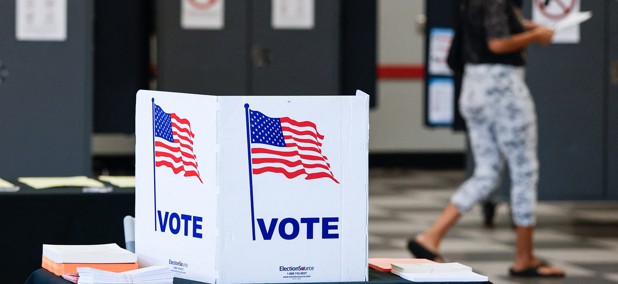
National security apparatuses across democratic allied nations face heightened vulnerabilities following a calculated strategic withdrawal by Washington from active foreign influence mitigation efforts. State-level election offices and defense contractors report a distinct drop in federal intelligence sharing and technical support ahead of upcoming legislative cycles. This pullback occurs concurrently with a dramatic proliferation of generative artificial intelligence tools utilized by hostile foreign operatives to manufacture sophisticated disinformation campaigns, deepfakes, and automated social engineering attacks targeting critical infrastructure.
Defense analysts and intelligence sources warn that leaving local jurisdictions and private industry to fend for themselves against coordinated state-sponsored subversion creates dangerous systemic weaknesses. While federal agencies prioritize high-level military deterrence, the battleground of hybrid warfare has shifted decisively toward psychological manipulation, data infiltration, and electoral interference at the sub-national level. Industrial partners lacking enterprise-grade threat intelligence find themselves exposed to sophisticated cyber espionage operations orchestrated by adversaries operating with impunity.
The practical outcome of this defense vacuum is a fragmented security architecture where individual states and private corporations must independently fund and manage counter-influence operations. Without centralized intelligence coordination, malicious actors can exploit jurisdictional seams to compromise supply chains and manipulate public discourse. Over the coming year, this decentralized defense posture will likely result in increased successful breaches and intensified polarization during electoral events across Western democracies.
Comments 0