Global Diesel Shortage Projected to Persist Through 2027
Analysts warn that a worldwide deficit of diesel fuel will endure until at least 2027, driven by reduced refining capacity and lingering supply chain disruptions. The shortage threatens logistics costs and could reshape freight pricing across continents.
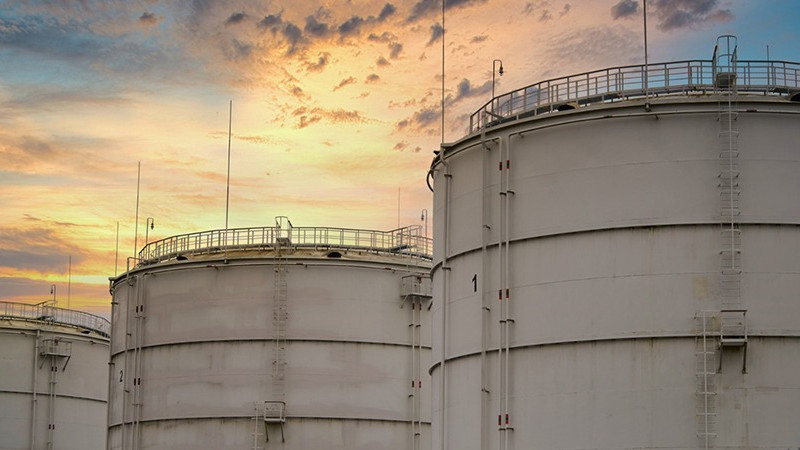
The current diesel crunch stems from a confluence of factors, including the curtailment of refining operations in the Middle East due to geopolitical tensions, delayed maintenance shutdowns in Europe, and a slower-than-expected ramp‑up of new capacity in Asia. As a result, global diesel inventories have fallen to historically low levels, prompting import‑dependent economies to secure spot contracts at premium rates. Shipping firms report that freight rates have surged, with some routes experiencing price hikes of over thirty percent, a development that reverberates through supply chains for commodities ranging from agricultural produce to manufactured goods.
In Asia, the impact is especially pronounced as the region continues to import a substantial share of its refined products despite a rebound in crude oil imports to pre‑war volumes. Countries such as India, Japan, and South Korea are grappling with constrained diesel supplies, prompting governments to consider strategic releases from strategic petroleum reserves and to incentivise domestic refining upgrades. Meanwhile, diesel‑dependent sectors, including trucking, rail freight, and power generation in regions lacking natural gas infrastructure, face mounting operational costs that could be passed on to consumers in the form of higher prices for everyday goods.
Looking ahead, the persistence of the diesel deficit may accelerate a shift toward alternative fuels, prompting investments in electric and hydrogen‑powered transport solutions. Policymakers could also revisit fuel taxation and subsidy structures to mitigate the economic fallout. Over the next twelve months, the sustained scarcity is likely to cement new pricing benchmarks, influence contractual terms in logistics agreements, and reshape the competitive dynamics among energy traders worldwide.
Comments 0