Global Energy Transition Anchored in Electrification Despite Digital Disruption
International Energy Agency leadership reaffirms that grid electrification remains the primary engine of worldwide capital expenditure. This strategic clarity persists even as exponential computational demands threaten to redraw conventional power consumption models.
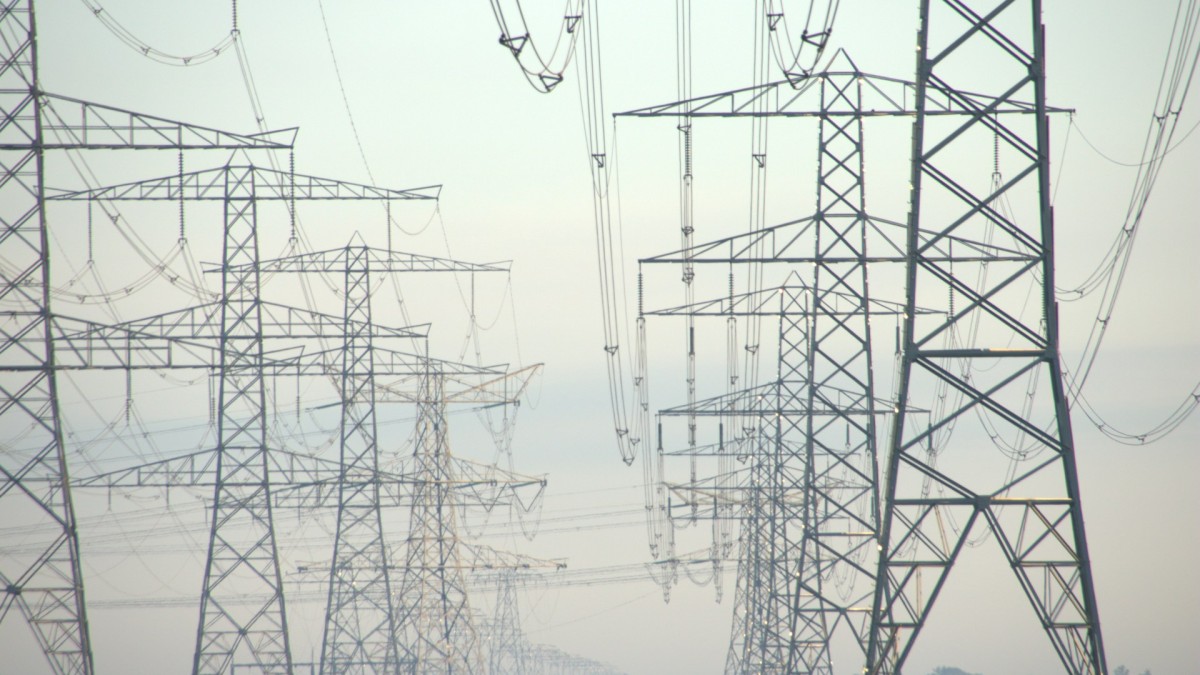
The contemporary debate surrounding the future of global energy architecture often gets obscured by the frenetic expansion of automated data infrastructure. Fatih Birol, heading the International Energy Agency, has cut through this speculative noise by asserting that fundamental electrification remains the definitive cornerstone for worldwide investment strategies. While synthetic intelligence models require immense caloric power from electrical grids, industrial conversion and transport electrification continue to command the overwhelming majority of long-term capital allocation. Beneath this macroeconomic priority lies a profound competition for grid capacity between heavy industrial decarbonization and the burgeoning silicon economy. Utility providers find themselves navigating a dual mandate; they must simultaneously upgrade aging transmission lines for municipal electric vehicle fleets while accommodating high-density server farms designed for algorithmic processing. This friction exposes vulnerabilities in regional power distribution networks, forcing regulators to prioritize certain sectors over others during periods of peak demand. Consequently, emerging economies and industrial consumers face rising power procurement costs as grid operators scramble to balance these competing loads. The definitive outcome is a redirected flow of sovereign and private wealth toward localized renewable generation units and high-voltage direct current transmission corridors. Policymakers who fail to modernize grid infrastructure risk severe energy bottlenecks that could stall both manufacturing output and digital innovation.
Comments 0