Goldman Sachs Projects $140 Crude as Tanker Rates Surge Amid Gulf Disruptions
A sharp spike in global oil freight rates, driven by the Iran conflict and Hormuz Strait tensions, has prompted Goldman Sachs to warn of a new price shock. The bank forecasts that persistent supply chain disruptions could push crude prices to $140 per barrel by early 2027, signaling a severe inflationary threat to global economies.
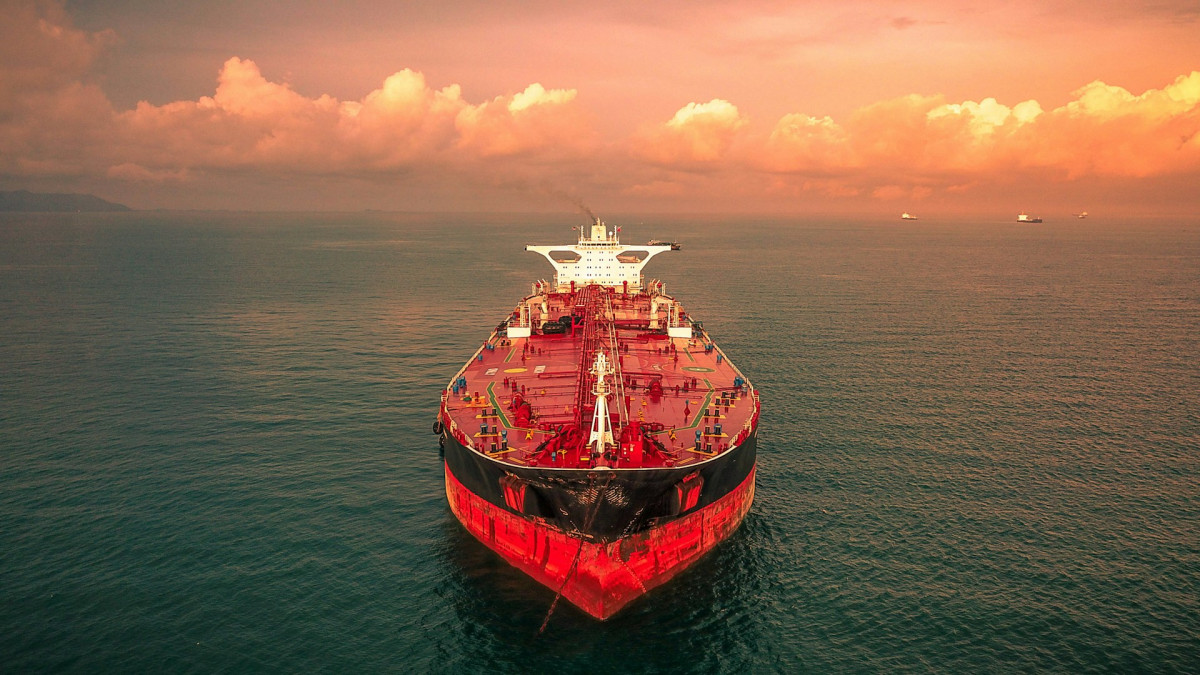
The global energy market is facing a structural rupture as the cost of transporting oil has skyrocketed. Goldman Sachs reports that average global freight rates have surged from $3 per barrel last year to $20 per barrel, a direct consequence of the ongoing Iran war and the resulting crisis in the Strait of Hormuz. This dramatic increase in logistics costs is not merely a temporary fluctuation but a symptom of a deepening geopolitical fracture that is reshaping the economics of oil supply. The shipping crisis is unlikely to resolve quickly, embedding higher costs into the global energy supply chain.
The underlying tension lies in the vulnerability of global trade routes to regional conflicts. The Strait of Hormuz remains a critical chokepoint, and its instability has forced shipping companies to reroute vessels, increasing transit times and insurance premiums. This institutional friction between geopolitical risk and commercial logistics is creating a feedback loop where higher costs lead to reduced supply, which in turn drives prices higher. The market is now pricing in a permanent risk premium for energy transported through contested waters, altering the long-term calculus for energy importers.
The downstream impact is a potential inflationary shock that could destabilize economies already struggling with high interest rates. If crude prices reach $140 per barrel, the cost of living will rise sharply, eroding consumer purchasing power and forcing central banks to maintain restrictive monetary policies for longer than anticipated. For India, a major oil importer, this scenario poses a significant threat to its fiscal balance and trade deficit. The tangible outcome is a global economic environment where energy costs become a primary driver of inflation, complicating the recovery trajectory for both developed and developing nations.
Comments 0