Gombe Habba still brings out the curious child in me, says Ankita Amar
A prominent figure reflects on the enduring charm of Gombe Habba, the traditional doll festival celebrated in parts of South India. The festival continues to evoke childhood wonder and cultural connection across generations.
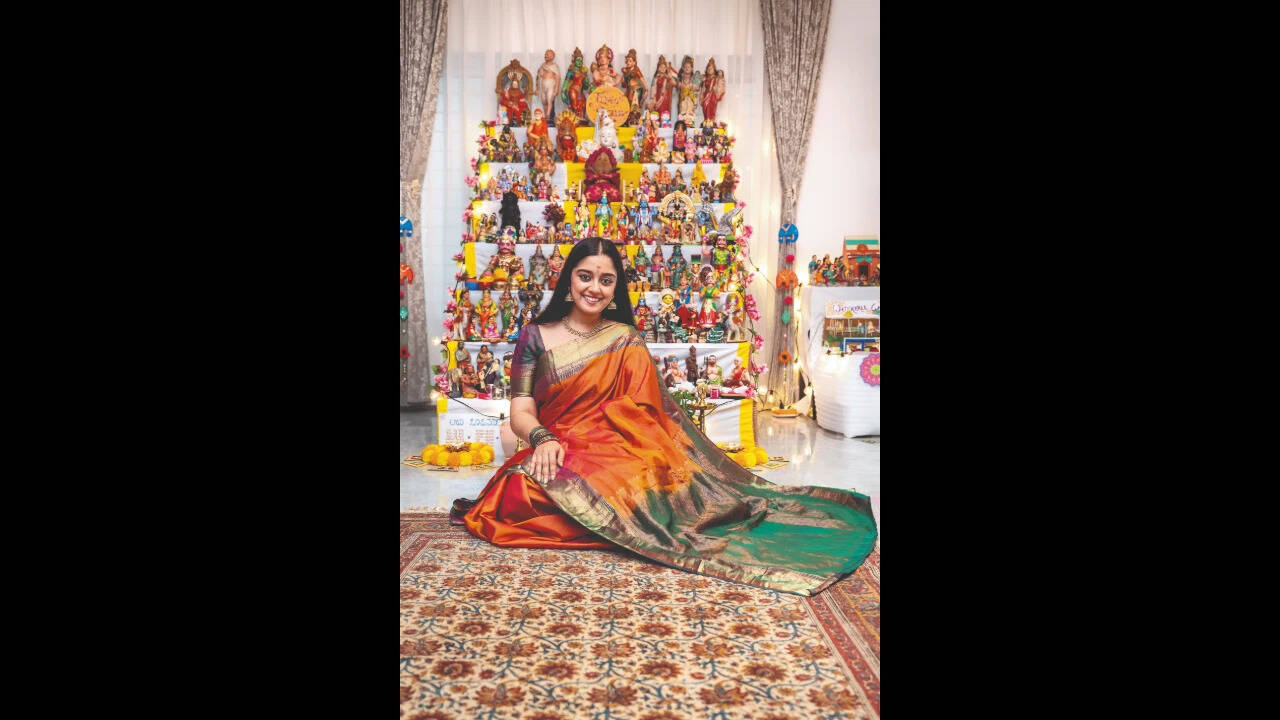
Gombe Habba, the annual festival of dolls observed mainly in Karnataka and among Kannada communities elsewhere, remains a vivid cultural touchstone. The celebration involves arranging figurines of gods, goddesses, and everyday scenes on tiered steps in homes, inviting visitors to view the display and exchange greetings. A well-known personality, speaking to a Gujarat-based publication, described how the ritual still awakens a sense of curiosity and joy reminiscent of childhood. The festival typically coincides with Navaratri and serves as a informal school of mythology, folklore, and social customs for young observers.
In Gujarat, where the report originated, the festival is less commonly practiced in its traditional form but finds resonance among migrant families from Karnataka who maintain the custom in apartment complexes and community halls. The dolls, often handed down through families, carry stories of lineage and regional artistry. Artisans in towns like Channapatna and Mysuru produce the wooden figures using techniques passed down for centuries, and their livelihoods depend on seasonal demand. The festival also encourages social visits, strengthening neighborhood bonds in urban settings where such interactions have become rare.
Cultural observers note that Gombe Habba has adapted to modern constraints without losing its core. Some families now use digital platforms to share virtual displays, while schools organize competitions to teach children the symbolism behind each arrangement. The festival's persistence reflects a broader pattern where regional traditions survive by embracing new forms of expression. For readers in Gujarat, the story highlights how cultural practices travel with communities and enrich the social fabric of their adopted cities, offering a window into the diverse heritage that shapes India's plural identity.
Comments 0