Government Accelerates Rural E‑Khata Rollout, Targets 88 Lakh Records by 2027
State authorities have intensified the digitisation of rural land records, aiming to issue 88 lakh electronic khatas by December 2027. The drive is linked to upcoming panchayat elections and a broader revenue‑enhancement agenda.
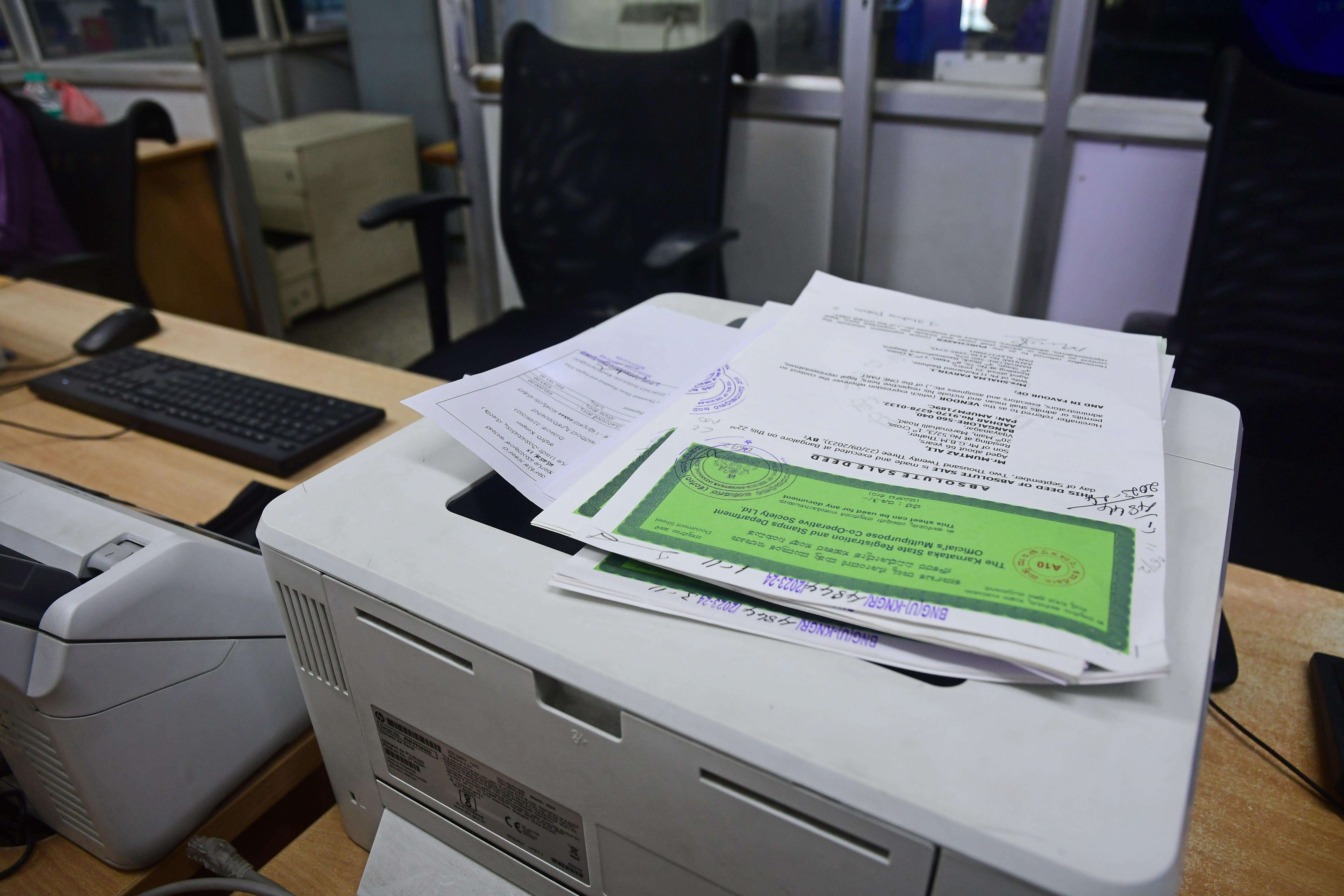
The rural property digitisation programme, launched earlier this year, received a fresh infusion of resources as officials announced a revised timeline that compresses the issuance of electronic land records to a four‑year horizon. Field officers are equipped with handheld devices to capture cadastral data, while a centralised portal will host the e‑khatas for public access. The initiative is projected to generate additional revenue for state coffers by reducing tax evasion and streamlining land‑related transactions, thereby strengthening fiscal health ahead of the forthcoming local elections.
Underlying tension stems from resistance among some landowners who fear loss of control over traditional paper records and potential exposure to litigation. Local political leaders have voiced concerns that rapid digitisation could be weaponised to influence voter rolls or manipulate property valuations. The administration, however, argues that transparent records will curb corruption, improve dispute resolution, and empower farmers with clearer proof of ownership, thereby fostering agricultural investment.
The downstream consequences include a measurable decline in land‑related disputes filed in district courts, as electronic records provide definitive proof of ownership. Revenue departments anticipate a rise in property tax collections, which could be redirected to rural infrastructure projects such as road upgrades and irrigation schemes. Observers predict that the successful implementation of the e‑khata system will serve as a model for other states, accelerating nationwide land‑record reforms over the next twelve months.
Comments 0