Greed for height, need for balance
Proposed revisions to the city master plan in Punjab have sparked opposition from local groups who fear unchecked vertical growth. Critics argue that the changes prioritize height over livability and call for a more balanced approach.
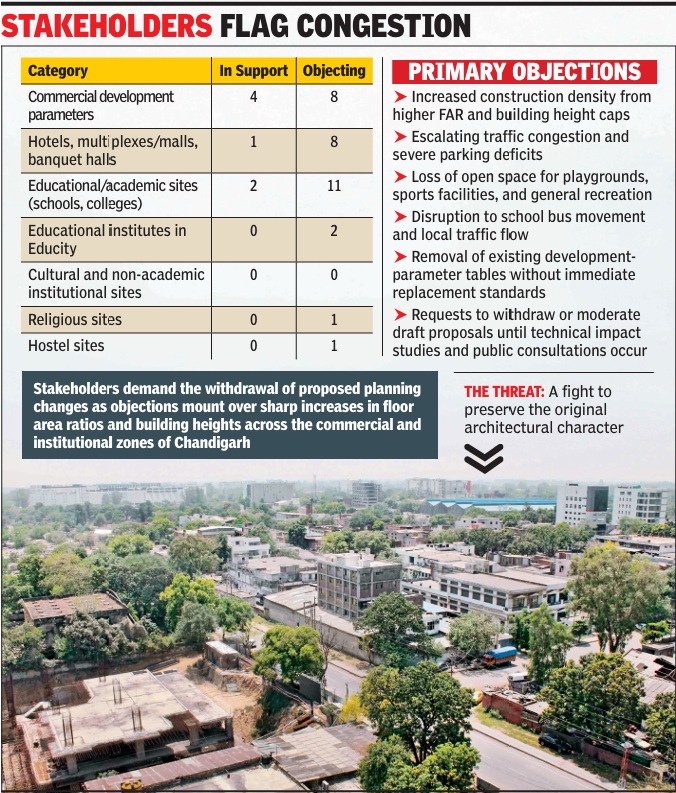
The urban development authority in a major Punjab city has drafted amendments to its master plan that would increase the allowable floor‑space index for new constructions. Under the draft, developers could build taller structures on plots that were previously limited to low‑rise buildings. The authority says the revision is meant to accommodate a growing population and attract investment, but the language of the proposal does not specify clear limits on building height or setbacks from public spaces.
Community organizations and resident associations quickly voiced concerns that the proposed changes could overwhelm existing infrastructure, such as roads, water supply, and waste management systems. They point out that taller buildings often cast long shadows, reduce natural ventilation, and place additional pressure on schools and hospitals that were designed for a lower density. The opposition also warns that rapid vertical expansion could alter the character of historic neighborhoods that many residents value.
The debate has prompted calls for a more balanced planning process that weighs economic goals against quality of life. Urban planners suggest that a phased approach, with stricter design guidelines and mandatory green spaces, could mitigate potential negative impacts. For readers in Punjab, the outcome of this discussion matters because it will shape the daily environment, property values, and the availability of public services in rapidly growing cities across the state.
Comments 0