Greenland’s Strategic Value Moves From Argument to Construction
The Pentagon is preparing to expand Greenland’s military infrastructure from next year, with proposed works supporting cargo aircraft, fighter aircraft and additional troops. The decision would turn a disputed geopolitical claim into a costly American presence, sharpening European resistance and accelerating the contest for influence in the Arctic and North Atlantic.
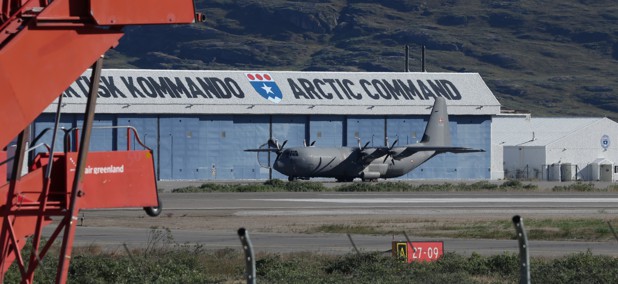
The United States is preparing to enlarge its Greenland base network next year, shifting Arctic policy from diplomatic assertion toward physical construction. The planned upgrades are intended to accommodate cargo and fighter aircraft as well as more troops, giving Washington greater capacity to project force across the North Atlantic. What had been framed as a defence argument now faces the more exacting test of engineering, procurement and sustained logistics in a remote and severe environment.
The decision runs into a dense institutional contest. Denmark governs Greenland, a relationship shaped by islanders’ right to self determination, while the United States has treated the territory’s strategic position as inseparable from its wider military balance with Russia and China. Any expansion would therefore engage allied obligations, NATO consultation and the political sensitivities of Greenland’s communities. Transportable infrastructure, runways, fuel and housing would all require difficult choices, while each visible American investment would intensify the suspicion that the alliance itself has acquired a strategic purpose.
The immediate beneficiaries would be contractors and military planners able to expand Arctic operations, but the likely casualties include Denmark’s political room for manoeuvre and the scarce engineering capacity needed for other strategic projects. European governments would face pressure to answer with investment of their own, while Russia and China could portray the expansion as further evidence of a widening American security perimeter. Greenland’s people would bear the most consequential debate. The concrete outcome is not simply a larger base system; it is the beginning of a competition in which infrastructure, alliances and local consent will determine whether the island becomes a shared asset or the next point of confrontation.
Comments 0