Grey Zone Collisions in the Arabian Sea Redefine Maritime Rules of Engagement
An unprovoked ramming incident involving Pakistani and Indian naval vessels in the Northern Arabian Sea marks a dangerous escalation in maritime grey zone tactics. This breach of bilateral confidence-building measures threatens to destabilize operational protocols across contested maritime boundaries.
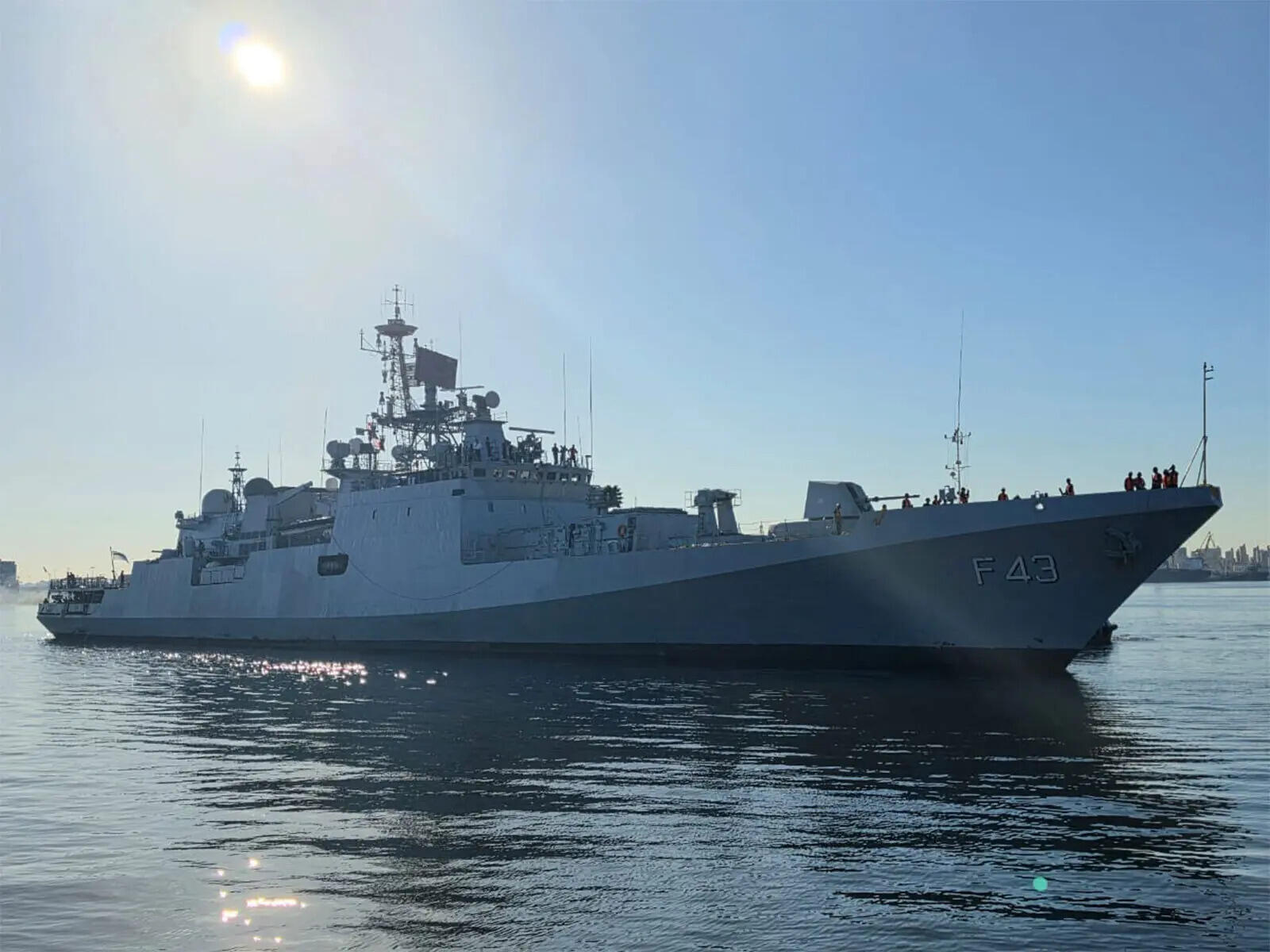
The calm expanse of the Northern Arabian Sea was recently shattered when a Pakistani naval vessel deliberately collided with an operating Indian Navy warship. According to official defense reports, the Pakistani ship executed a series of erratic and aggressive maneuvers that directly contravened standard maritime safety protocols. This aggressive posture bypasses traditional open warfare, operating instead within the murky domain of grey zone friction; nations test the limits of restraint without triggering full-scale conventional conflict. For decades, the two navies maintained fragile yet functional communication channels designed to prevent accidental escalations at sea. Incidents of this nature dismantle those institutional safeguards, replacing mutual deterrence with heightened operational volatility. Military strategists note that such maneuvers are calculated provocations meant to exhaust command staffs and force defensive posture adjustments. The erosion of established protocols leaves little margin for error, turning routine patrols into high-stakes encounters where a single miscalculation could ignite wider hostilities. As defense ministries trade diplomatic notes and assess hull damage, the downstream casualty is the entire architecture of regional maritime trust. Navies in the region must now reevaluate their rules of engagement, shifting from cooperative surveillance to an uncompromising defensive posture. This tactical hardening will likely accelerate naval modernization budgets and increase the frequency of tense, close-quarter encounters in critical trade corridors.
Comments 0