Grid Vulnerability Exposed: Hydroelectric Shortfalls Strain India Power Supply During Non-Solar Hours
Declining hydroelectric generation has created severe capacity deficits during critical evening hours across the national grid. Grid operators struggle to balance surging consumer demand against depleted renewable reserves as thermal and solar assets fail to bridge the gap.
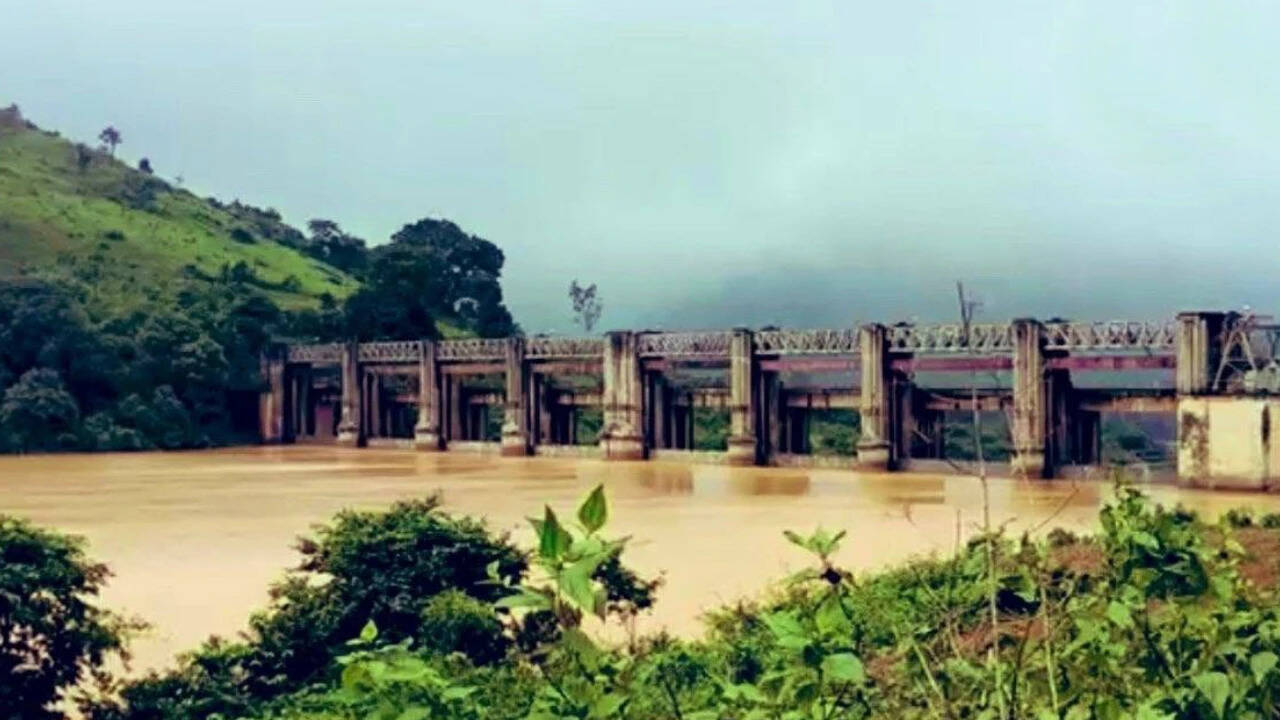
The National Power System faced severe operational stress as hydroelectric generation dropped significantly short of projected output targets. This generation deficit materialized precisely during the non-solar evening hours when photovoltaic assets cease production and household demand peaks. Grid controllers scrambled to deploy emergency reserves to prevent widespread blackouts across multiple industrial and residential sectors. The underlying vulnerability stems from an over-reliance on intermittent renewable sources without adequate storage buffers to handle the transition phase between sunset and peak load. While daytime solar generation remains robust, the sudden drop-off requires rapid-ramp thermal and hydro capacity that is currently constrained by low reservoir levels and aging infrastructure. State utilities found themselves caught between soaring spot-market power prices and strict regulatory caps on consumer tariffs. The immediate outcome is a forced recalibration of grid management strategies, compelling state distribution companies to implement localized load shedding and emergency procurement measures. Industrial consumers bore the brunt of supply unpredictability, resulting in operational slowdowns and increased reliance on diesel generator backups. Without immediate investments in grid-scale battery storage, evening power deficits will remain a chronic hazard for industrial growth.
Comments 0