Groom, a Delhi cop, returns with 'baraat' over SUV demand in Haryana
A Delhi police officer, known locally as Groom, organized a baraat procession to protest the Haryana government's refusal to allocate an SUV for his unit. The dramatic display drew attention to the broader debate over police vehicle resources in the state.
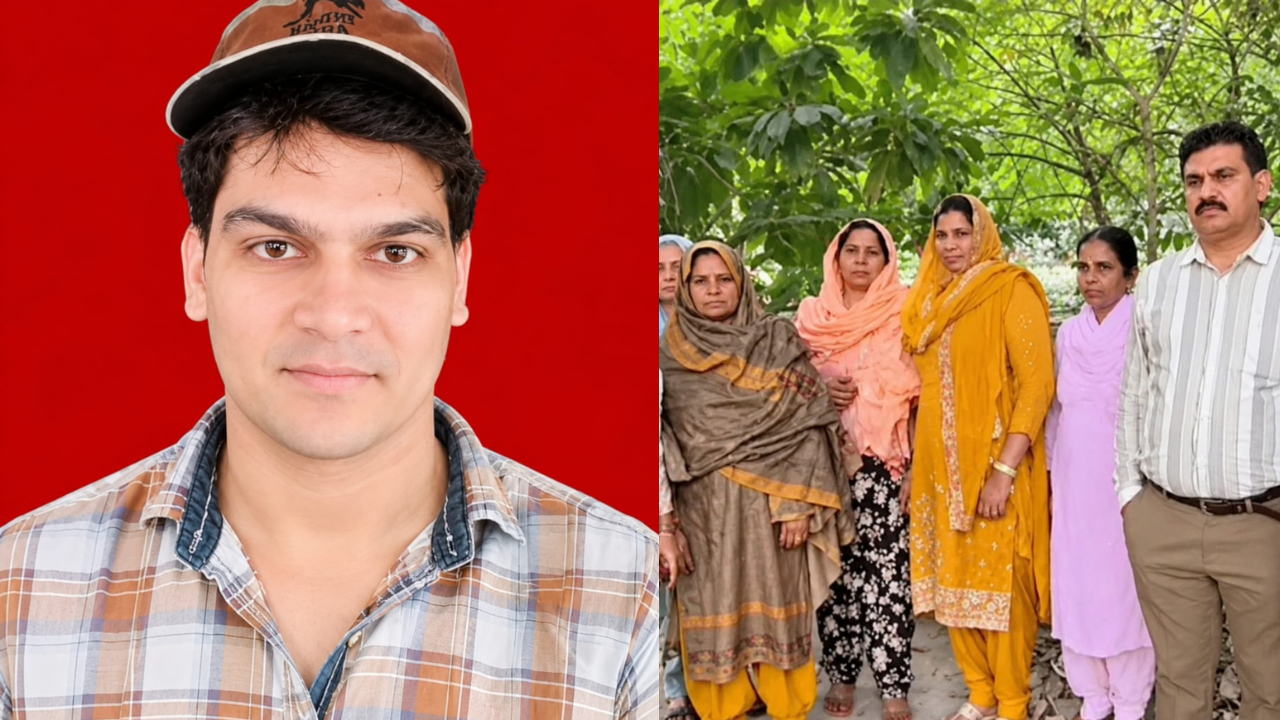
Groom, a senior constable in the Delhi police force, traveled to Haryana after learning that the state had not approved a request for a sport utility vehicle needed for patrol duties in a rural area. To highlight the issue, he arranged for a traditional baraat, a wedding procession complete with music, decorated horses, and a convoy of motorcycles, to enter the district headquarters. The spectacle was intended to symbolize the officer's demand for mobility and to pressure local officials into reconsidering the allocation.
The Haryana administration responded by issuing a statement that the procurement of additional vehicles follows a structured budgetary process and that any special requests must be justified through official channels. Local politicians and community leaders observed the baraat, with some expressing sympathy for the officer's cause while others criticized the use of a cultural ceremony for a bureaucratic dispute. Media coverage amplified the incident, prompting discussions on social platforms about the adequacy of police equipment in semi‑urban and rural districts.
For Indian readers, the episode highlights the challenges faced by law enforcement agencies in securing appropriate resources for effective policing. Vehicle shortages can affect response times, crime prevention, and overall public safety, especially in areas where terrain demands robust transportation. The incident also raises questions about how government departments prioritize funding and whether public demonstrations are an effective way to influence policy decisions. As the debate continues, officials may revisit procurement guidelines to address the concerns raised by Groom and his colleagues.
Comments 0