Gulf‑Central Asia Energy Trade Surges Four‑Fold, Yet Remains Marginal
Trade between Gulf states and Central Asian economies has multiplied nearly four times between 2020 and 2025, though it still represents a modest slice of overall regional commerce. Gulf investment in the region has simultaneously tripled, reshaping energy‑supply dynamics.
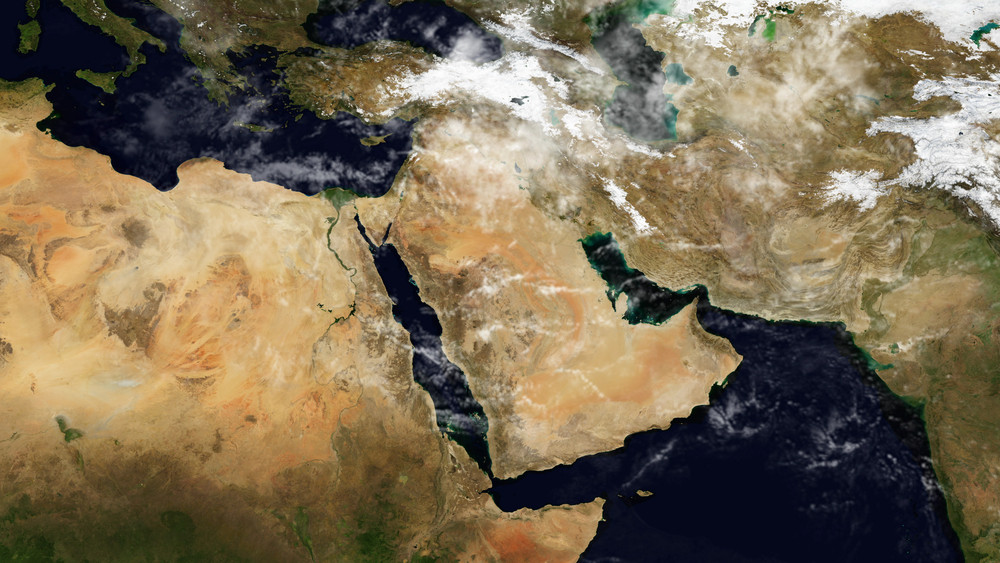
Statistical releases reveal that bilateral trade in energy commodities between Gulf nations and Central Asian republics has expanded at an impressive rate, almost quadrupling over the five‑year span from 2020 to 2025. Despite this rapid growth, the volume accounts for only a small fraction of the total trade turnover of the involved regions, indicating that the partnership, while accelerating, remains in its infancy compared with traditional trade corridors.
The surge is underpinned by a strategic pivot among Gulf investors seeking diversification beyond oil‑rich neighbours, coupled with Central Asian ambitions to secure stable energy supplies and attract foreign capital for infrastructure development. Over the same period, Gulf‑sourced capital inflows into Central Asia have risen three‑fold, financing pipelines, storage facilities, and downstream processing plants that promise to integrate the two regions more tightly.
The immediate consequence is a modest reshaping of energy logistics, with new routes and joint ventures emerging to handle the increased flow. In the longer term, the deepening of financial ties may encourage policy alignment on pricing and security of supply, potentially granting Gulf states greater influence over Central Asian energy markets and offering the latter a more reliable outlet for its hydro‑carbon exports.
Comments 0