'Gunshots, billhook blows, severed wrists': A year after his brother was killed, how man plotted attack on murder accused outside Pune court
A man who lost his brother to a violent incident a year ago is alleged to have planned an attack on the accused murderer outside a Pune court. The plot was uncovered by police before any violence could occur.
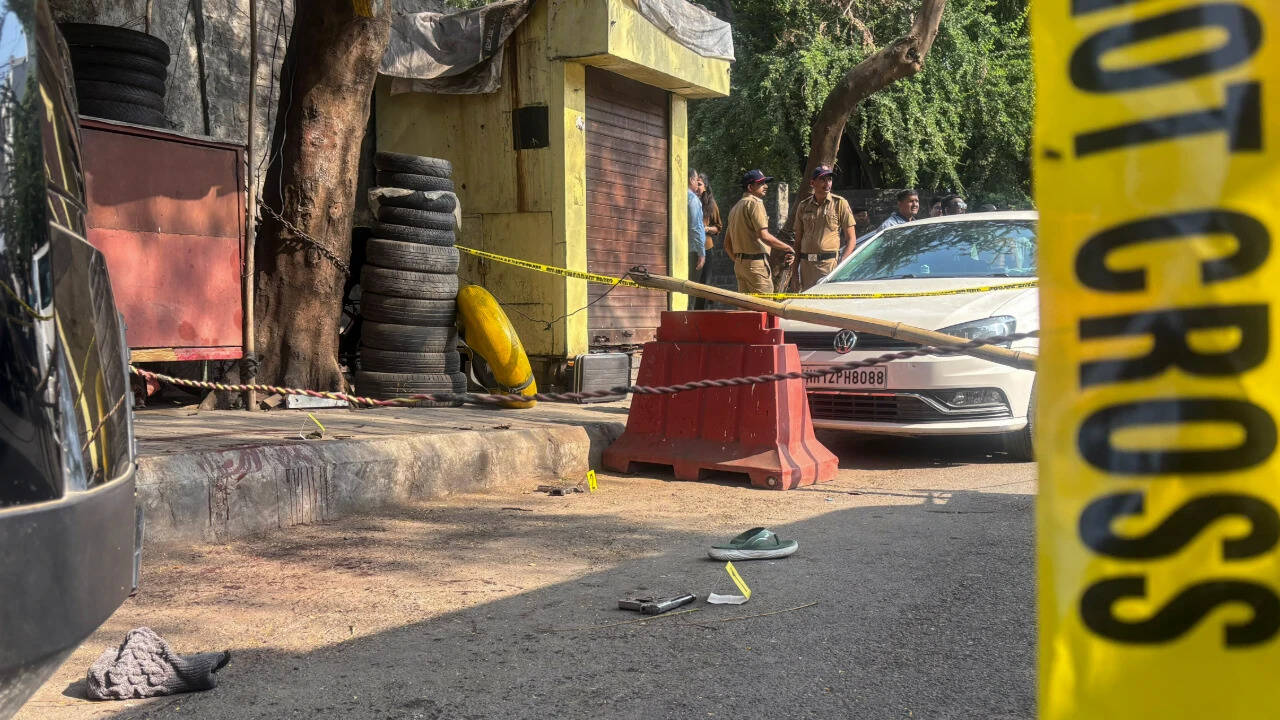
The case centers on a young man from Pune who, after his brother was killed in a dispute, vowed to take justice into his own hands. According to police reports, he began gathering a small group of supporters and purchased a weapon, intending to confront the accused individual when he appeared before the court. The plan was to strike at the moment the accused was escorted out of the courtroom, a setting that would have drawn a large crowd and heightened the risk of collateral damage. Law enforcement intercepted communications that revealed the timing and location of the intended assault, prompting a swift raid on the suspect’s residence.
Investigators say the suspect’s actions reflect a growing frustration with the pace of the legal system, especially in cases involving violent crimes. In many parts of India, families of victims sometimes feel that the courts move too slowly, leading some to consider extrajudicial measures. The police have emphasized that taking the law into one’s own hands undermines the rule of law and can lead to further cycles of violence. The suspect has been charged with conspiracy to commit murder and is currently in custody pending trial. The court will also examine whether any accomplices were involved and whether there were any lapses in security that allowed the plot to develop.
For Indian readers, the incident highlights the importance of strengthening victim support services and ensuring timely justice. It also raises questions about the adequacy of security arrangements around high‑profile court proceedings, where the presence of angry relatives can create volatile situations. The case may prompt authorities to review protocols for protecting accused individuals and witnesses, while also encouraging community outreach programs that address grief and anger in a constructive manner.
Comments 0