Haryana Judiciary Leverages Lok Adalat Framework to Fast-Track Negotiable Instruments Act Litigation
The Haryana State Legal Services Authority conducted a sweeping statewide special Lok Adalat specifically targeting pending cases under the Negotiable Instruments Act. The initiative aims to alleviate severe judicial backlogs and provide swift, amicable resolutions for commercial financial disputes.
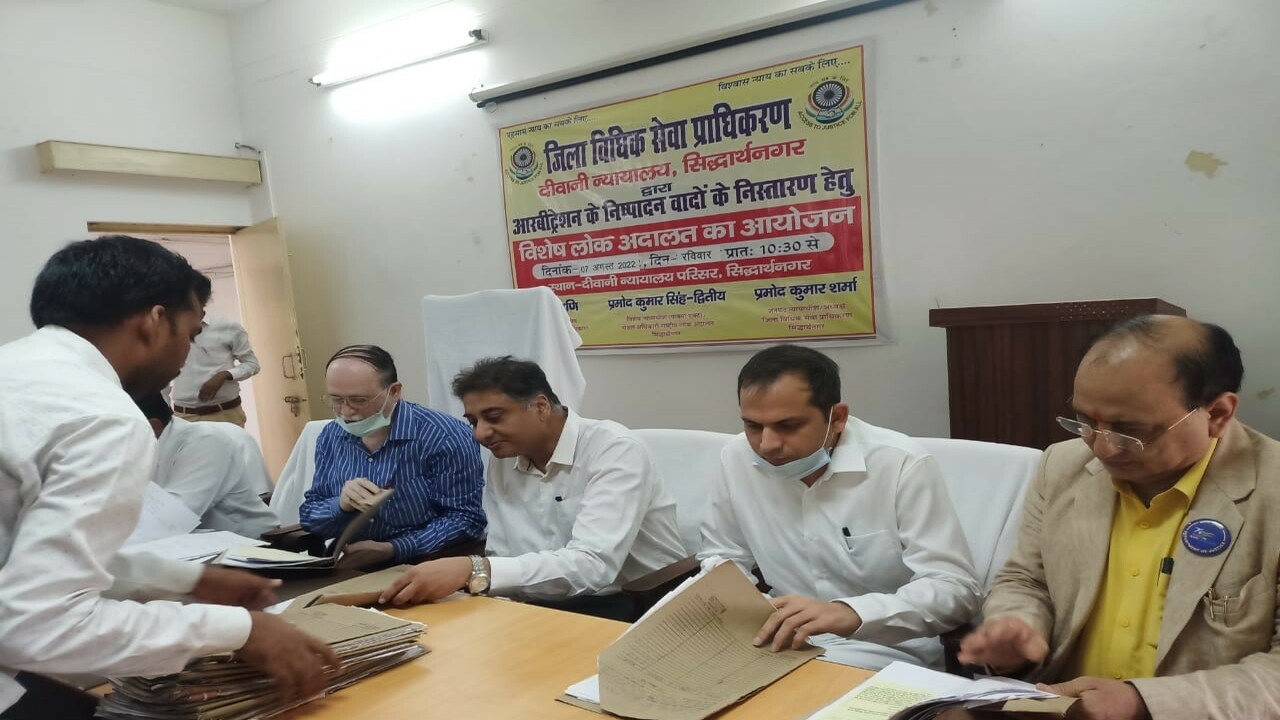
In an aggressive administrative push to clear mounting judicial dockets, the Haryana State Legal Services Authority mobilized judicial officers across the state for a dedicated special Lok Adalat focused on cheque bounce cases. Thousands of litigants swarmed district courts to settle long standing financial disputes outside the traditional adversarial courtroom framework. The initiative brought together debtors, creditors, and judicial mediators in an environment designed to encourage compromise and expedited monetary settlements over protracted litigation.
Financial disputes involving dishonored cheques have long clogged the Indian judicial pipeline, tying up millions of cases and frustrating both commercial entities and individual claimants. Traditional court trials under the Negotiable Instruments Act often stretch across years due to procedural delays, appeals, and evidentiary hearings. This administrative bottleneck not only burdens the judiciary but also locks up vital liquidity for businesses operating in expanding regional industrial hubs across Haryana, making alternative dispute resolution an economic necessity.
The immediate outcome of this targeted Lok Adalat drive is the disposal of thousands of cases, injecting much needed liquidity back into the local economy while offering closure to beleaguered litigants. Legal administrators view this decentralized model as a blueprint for reforming commercial dispute resolution across other states. By reducing the reliance on formal court trials for routine financial infractions, the judiciary preserves its capacity to handle complex crimes while providing speedy justice for everyday economic actors.
Comments 0