He is still in Grade 11 but presented research at a global medical conference; his findings raise questions about air pollution's impact on fertility treatment
A Grade 11 student presented research at an international medical conference, linking air pollution to outcomes in fertility treatment. The findings raise questions about indoor air quality standards for clinics in India.
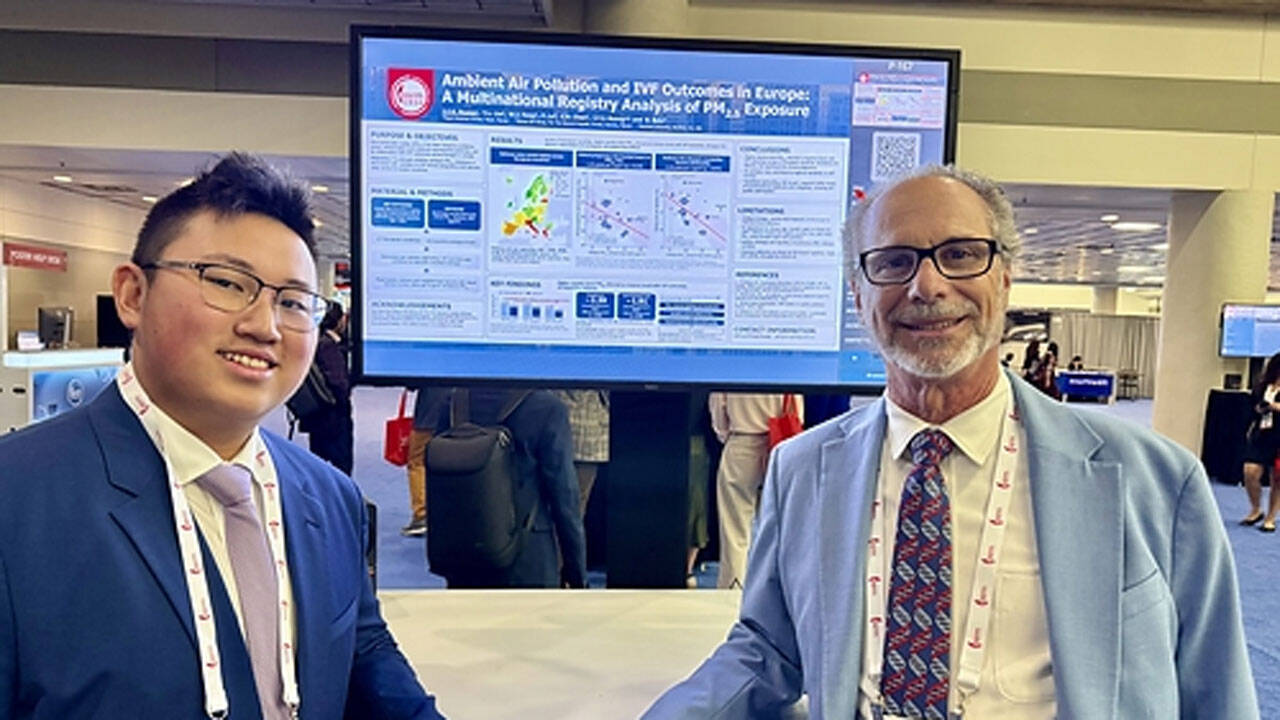
A student still in Grade 11 has taken an unusual step into the world of scientific research by presenting a paper at a leading international medical conference. The young scholar, whose name has not been disclosed, travelled to the event and shared findings that connect environmental conditions with outcomes in assisted reproductive technology. This achievement is notable not only because of the student's age but also because the conference typically features seasoned clinicians and researchers. The presentation placed the teenager among a global audience of experts, drawing attention to the fresh perspective offered by a high school mind.
During the session, the teenager outlined a series of experiments that measured the concentration of particulate matter in indoor air and correlated those levels with success rates of in vitro fertilisation cycles. The data suggested that higher concentrations of fine particles could reduce embryo implantation efficiency, a finding that aligns with earlier studies linking air quality to reproductive health. While the research is still in early stages, the methodology was praised for its rigor, and the audience raised questions about how such environmental factors might be mitigated in clinical settings.
The implications of this work are especially relevant for readers in India, where rapid urbanisation has led to rising levels of air pollution in many cities and where assisted reproductive technologies are increasingly sought by couples facing infertility. Policymakers may need to consider stricter indoor air standards for clinics and public awareness campaigns that highlight the hidden risks of polluted environments on reproductive outcomes. Further investigations by Indian research institutions could build on the teenager’s findings, potentially shaping guidelines that protect patients and improve success rates across the country.
Comments 0