High-Altitude Botany Defies Gravity as World's Highest Twin Fields Unveil in Leh
Botanical researchers have successfully cultivated high-altitude twin agricultural plots in Leh at an elevation exceeding ten thousand feet. This achievement opens new frontiers for cold-arid agriculture and sustainable food security in mountainous terrains.
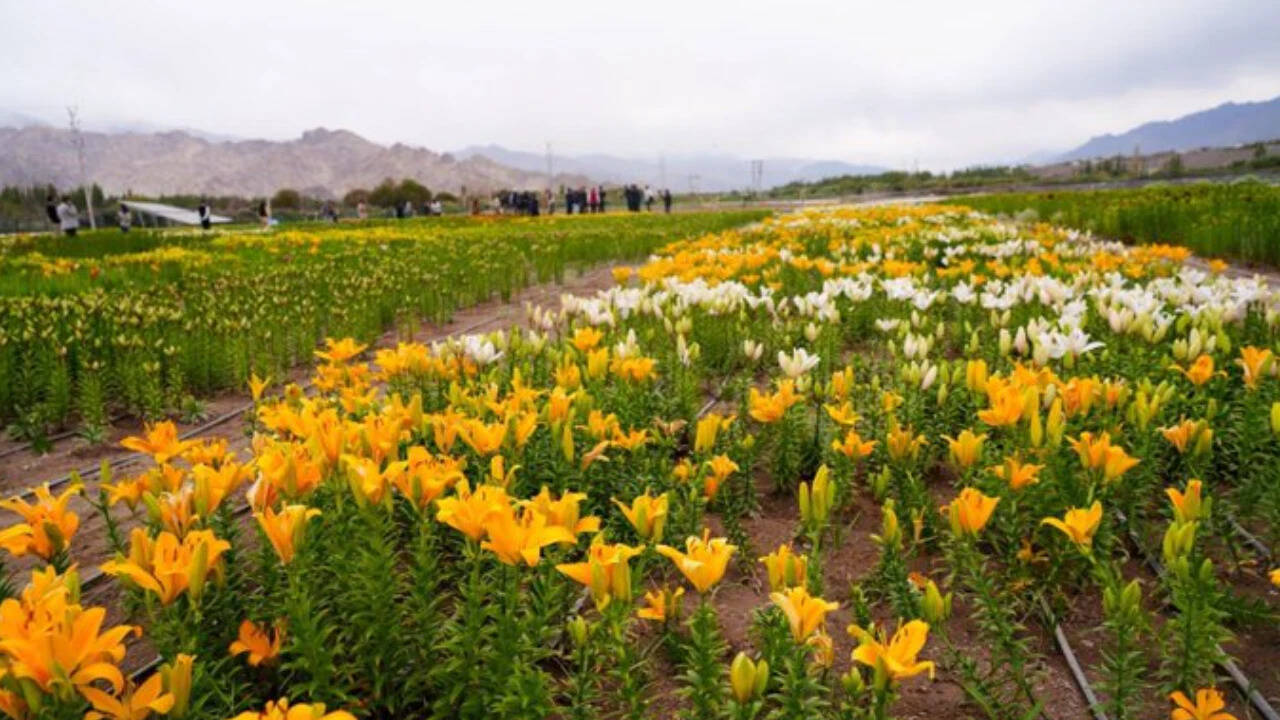
The establishment of high-altitude agricultural plots in Leh represents a technical triumph over extreme environmental constraints, combining specialized soil conditioning with frost-resistant crop genetics. High-altitude regions have historically struggled with nutrient-poor soils, intense ultraviolet radiation, and severely limited growing seasons. By deploying advanced greenhouse encapsulation and drip-irrigation matrices powered by photovoltaic arrays, agricultural scientists have bypassed traditional topographical limitations. Institutional support for high-altitude research has historically suffered from underfunding, overshadowed by lowland commercial agriculture initiatives. However, geopolitical imperatives along Himalayan borders have forced defense and agricultural ministries to prioritize self-sufficiency in fresh produce for forward-deployed personnel. This strategic shift has unlocked federal grants and accelerated institutional coordination between university botany departments and defense logistics commands. The downstream impact of this botanical breakthrough extends to remote Himalayan settlements traditionally dependent on precarious supply lines from the plains. Local cooperatives can now cultivate nutrient-dense vegetables year-round, insulating communities against winter road closures and soaring transport costs. This model of decentralized mountain agriculture establishes a sustainable precedent for high-altitude habitation across global mountain ranges.
Comments 0