High‑Speed Train Collision in Central Spain Leaves Ten Dead
A rear‑end collision between a stationary train and a following high‑speed service resulted in a derailment that claimed at least ten lives. Rescue teams worked through the night to extricate passengers from the wrecked carriages.
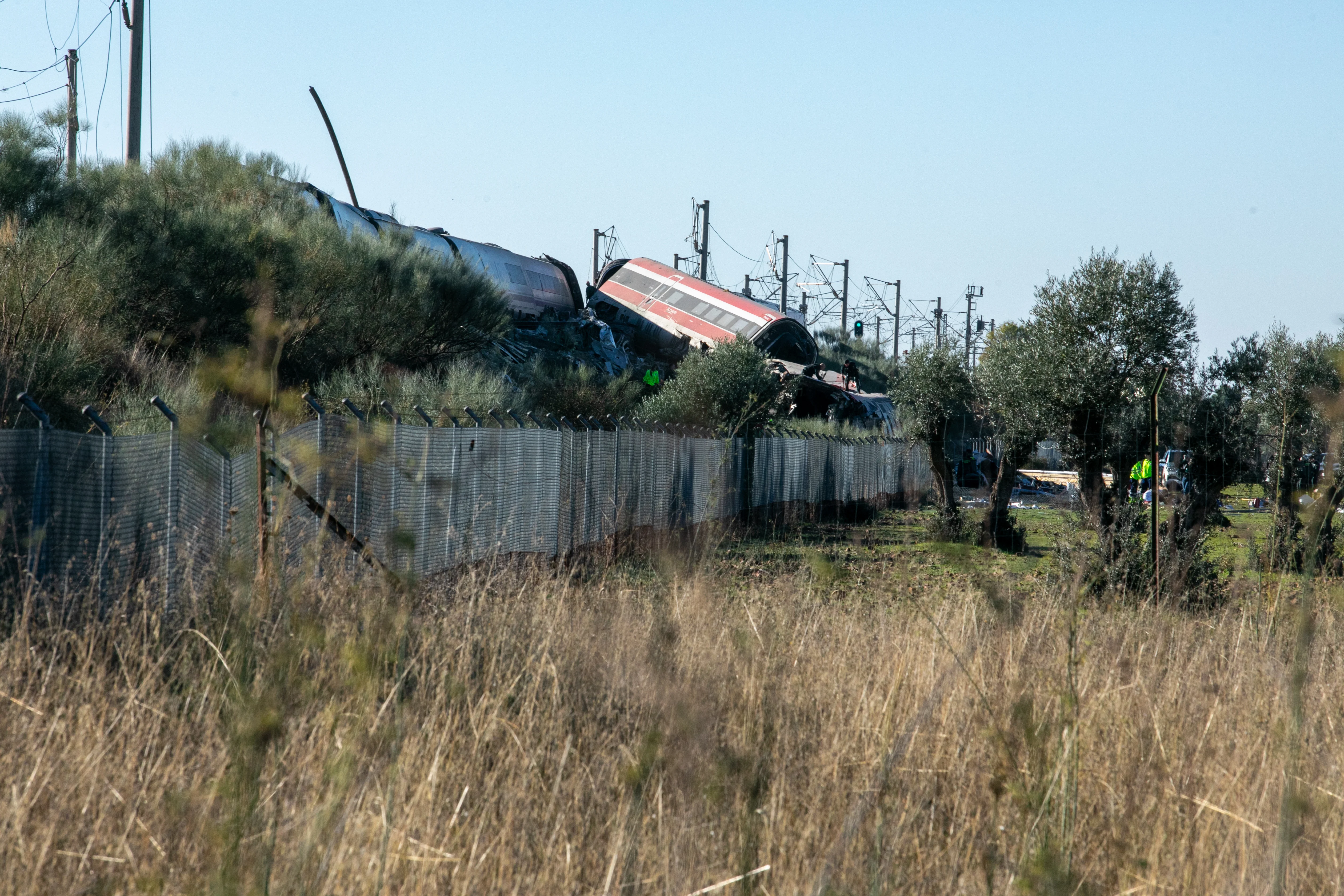
The accident occurred on a busy corridor linking Madrid with the northern region, where a train had halted due to a signaling issue. A second high‑speed train, traveling at full speed, failed to stop in time and struck the rear of the stationary unit, causing two cars to overturn. Emergency responders arrived within minutes, deploying hydraulic rescue tools to free trapped occupants. Initial reports indicated that the impact caused severe structural damage to the leading carriage, leading to the high casualty count.
Investigators have opened a probe to determine whether human error, signaling malfunction or technical failure contributed to the tragedy. The national railway authority has temporarily suspended services on the line pending safety inspections. Labor unions representing railway workers have called for a comprehensive review of operational protocols, citing concerns over fatigue and inadequate training. The incident has reignited public debate over the safety record of the country’s high‑speed network, which has expanded rapidly over the past decade.
Families of the victims are receiving assistance from government relief funds, while the railway operator has pledged compensation and psychological support. The collision is expected to prompt stricter oversight of signaling systems and may accelerate the adoption of automated train‑control technologies. In the coming months, the sector will likely see heightened regulatory scrutiny aimed at preventing a recurrence of such a catastrophic event.
Comments 0