Himalayan Glaciology Experts Analyze Abrupt Temperature Drops Across Northern Ranges
Geological scientists have clarified that recent unseasonal temperature drops in northern India align with established Himalayan weather patterns. Experts emphasize that high-altitude glaciers traditionally accumulate snow during both monsoon and winter transitions.
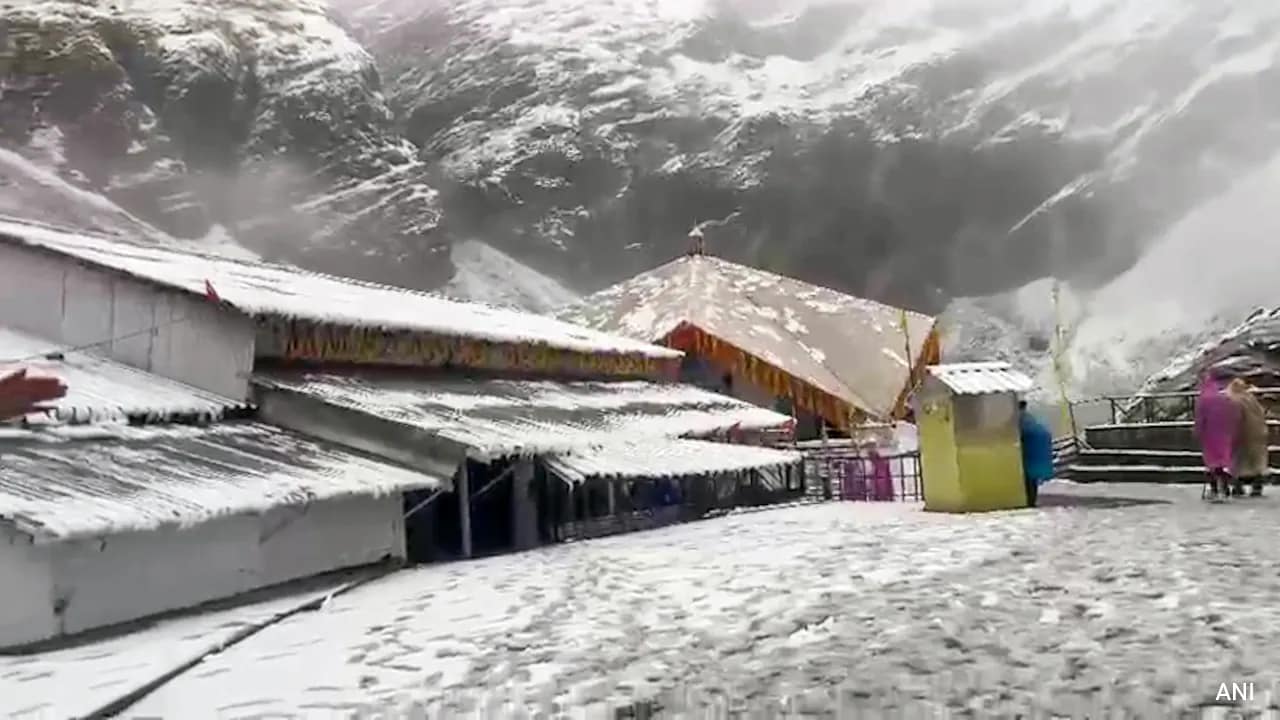
Recent meteorological shifts across northern India have sparked public speculation regarding an early onset of harsh winter conditions. Addressing these concerns, prominent glaciologists from institutions such as the Wadia Institute of Himalayan Geology explained that sudden thermal drops are characteristic seasonal phenomena. High-altitude glacial zones frequently experience precipitation phases that overlap with retreating monsoon dynamics, confounding conventional weather expectations. This climatic variability underscores the complex atmospheric mechanics governing the Himalayan ecosystem and its downstream river basins. As global weather systems experience increased volatility, traditional indicators used by local populations to predict seasonal shifts are becoming unreliable. Scientific institutions are intensifying monitoring efforts to differentiate between normal meteorological fluctuations and long-term climate change indicators. The immediate consequence is a renewed focus on regional climate preparedness among agricultural planners and disaster management cells. Accurate scientific communication helps counter alarmist narratives while preparing mountain communities for sudden weather anomalies. Understanding these high-altitude thermal shifts remains vital for managing downstream water resources and regional agricultural calendars.
Comments 0