Historic Breakthrough as Vaishnavi Adkar and Rutuja Bhosale Reach WTA Tour Final
Vaishnavi Adkar and Rutuja Bhosale have shattered domestic tennis ceilings by becoming the first all-Indian female pair to reach a main WTA Tour final. This remarkable run at the Chennai Open alters the trajectory of professional women's doubles in the country.
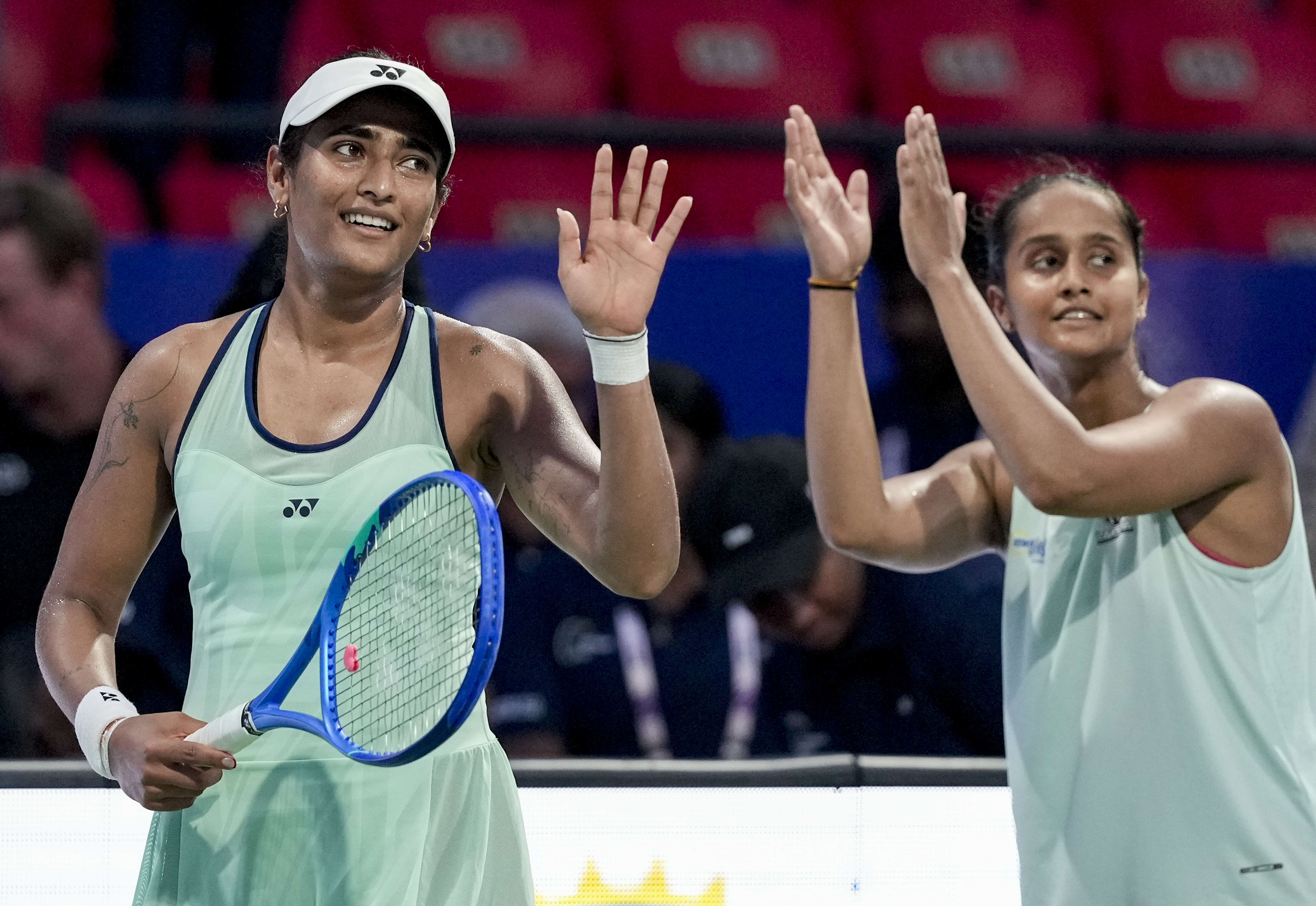
The concrete reality of Indian tennis has long been defined by individual struggle and systemic neglect, making doubles achievements a rare bright spot. When Vaishnavi Adkar and Rutuja Bhosale stepped onto the court for their semifinal encounter, they were not merely playing for a trophy; they were challenging an entrenched hierarchy that historically favored singles players and foreign pairings. Their partnership represents a rare convergence of tactical discipline, court intelligence, and sheer athletic resilience. By dismantling established international opponents, the duo bypassed years of institutional indifference and proved that Indian women can command the highest tiers of professional tennis.
Beneath this triumph lies a profound structural deficiency within the national sporting apparatus, which routinely fails to provide adequate financial backing, coaching pipelines, and sports science infrastructure for aspiring tennis athletes. While cricket continues to absorb the lion's share of corporate sponsorship and public adulation, minority sports must fight for scraps in municipal stadiums and poorly maintained academies. Adkar and Bhosale had to forge their competitive edges through grueling individual sacrifices, navigating endless logistical hurdles and self-funded tours before catching the eye of national selectors. This victory exposes the absurdity of expecting world-class results from athletes who must simultaneously battle bureaucratic inertia and financial insecurity.
The downstream consequences of this historic milestone will likely reverberate across academies throughout the country, inspiring a new generation of girls to pick up racquets with professional aspirations. Commercial brands and sports management agencies are already taking notice of the marketing potential inherent in a homegrown women's doubles success story, which could unlock fresh private investments for grassroots training programs. For Adkar and Bhosale, the immediate aftermath involves heightened expectations and the grueling task of sustaining their ranking points on the unforgiving global circuit. Ultimately, their breakthrough forces sports administrators to rethink talent development models, proving that localized excellence requires institutional recognition to transform into a sustainable national movement.
Comments 0