Historic Congressional Turnover Redraws the Legislative in Washington
The ongoing primary electoral season has witnessed an unprecedented wave of retirements and incumbent defeats across the federal legislature. The exodus guarantees a profound generational shift in congressional leadership and committee expertise.
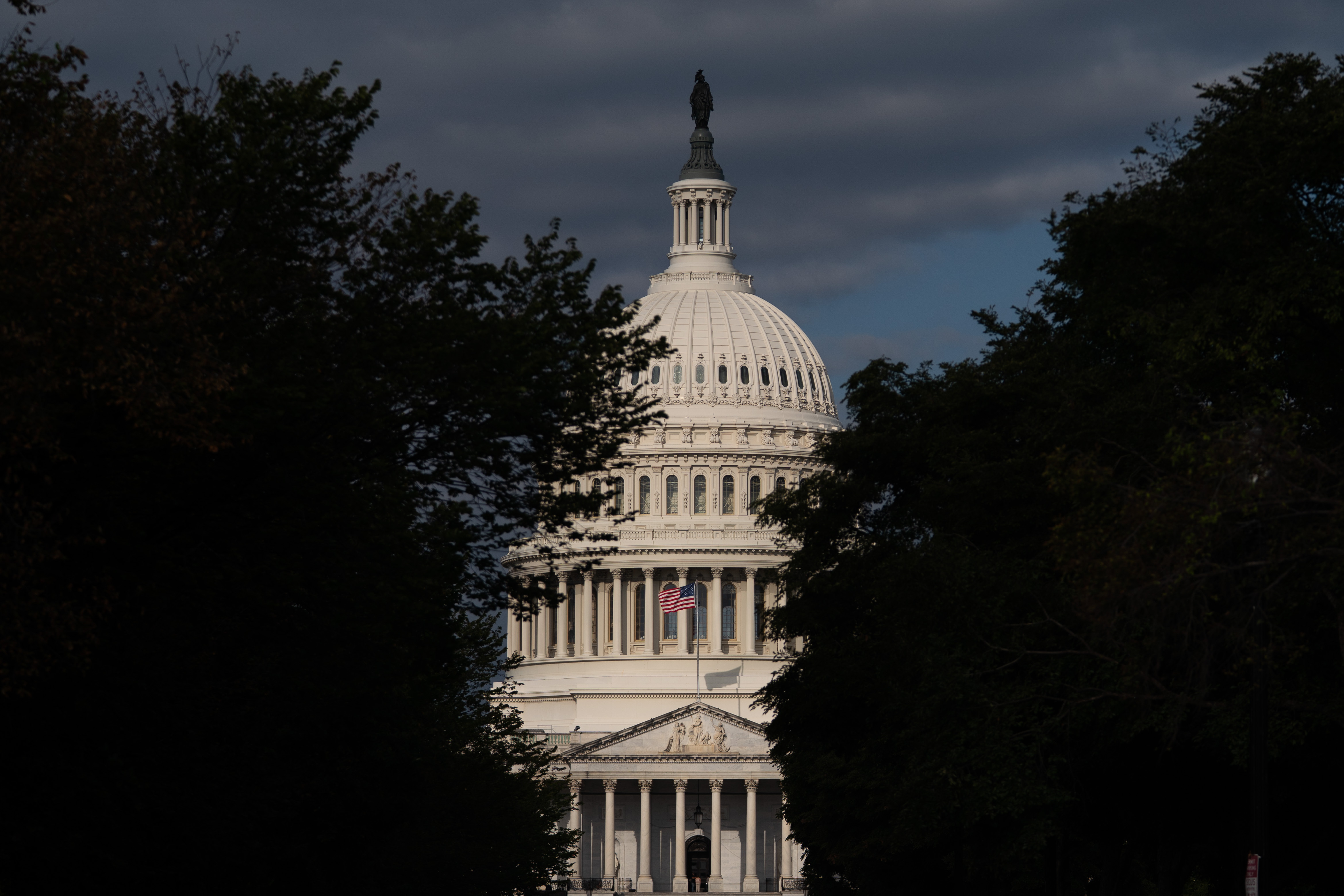
American federal politics is experiencing a profound institutional transformation as an unprecedented number of veteran lawmakers depart through voluntary retirement or primary election defeats. Close to a hundred members who began the current legislative term will be absent from the next congress, driven by mounting partisan polarization, institutional burnout, and aggressive intra-party challenges. This mass departure represents a historic loss of legislative memory and institutional knowledge within the federal government. The underlying friction stems from an increasingly ideological primary electorate that penalizes compromise and rewards confrontation, alienating career moderates and institutionalists. Incumbents find themselves vulnerable to well-funded political action committees representing factional wings of both major parties. Consequently, long-serving committee chairs and power brokers choose exit over endurance, yielding influence to a new cohort of politicians whose primary loyalty lies with activist bases rather than legislative consensus-building. The downstream casualty of this upheaval is the traditional mechanism of bipartisan negotiation, which depends on personal relationships forged over decades of service. The incoming legislative class arrives with diminished institutional patience, likely resulting in heightened legislative gridlock and recurrent budgetary standoffs. Executive agencies will find themselves dealing with an increasingly volatile legislative branch possessing less technical expertise in complex matters of foreign policy and federal finance.
Comments 0