Historic Milestone in Punjab as Community Celebrates Birth of Girl Child After Decades of Conformity
A village in Punjab shattered entrenched patriarchal norms with drumbeats, floral processions, and public celebrations following the birth of a daughter in a family after forty-five years. The joyous public display marks a subtle yet profound cultural shift against historic son-meta preference in rural households.
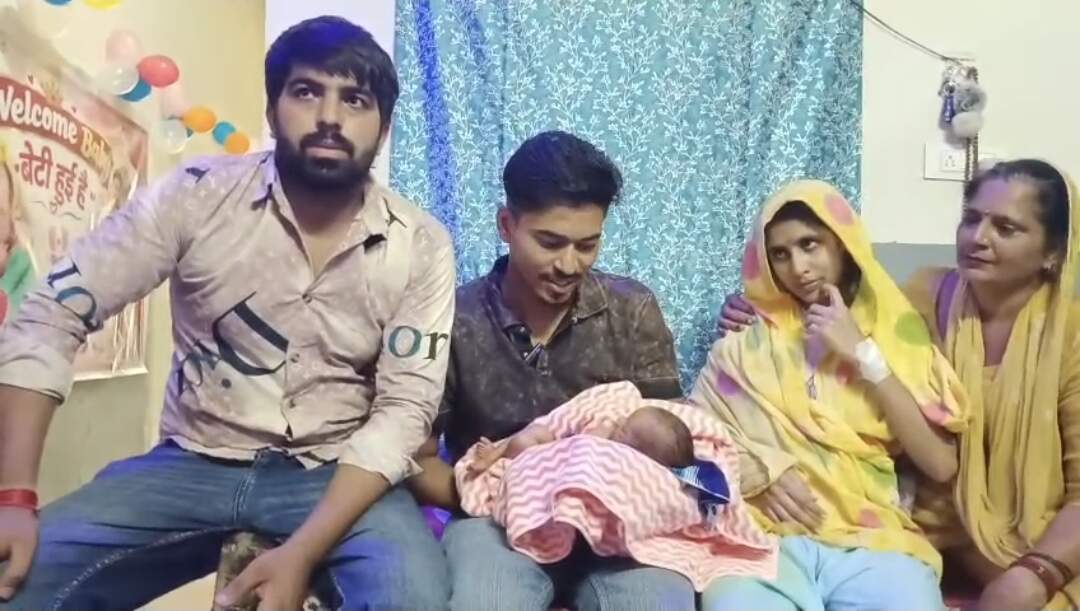
For generations, demographic imbalances across northern India were driven by an insidious preference for male progeny, deeply rooted in agrarian inheritance customs and social security expectations. In one Punjabi household, this expectation remained unchallenged for nearly half a century until the arrival of a newborn girl transformed private grief into public jubilation. Neighbors and community elders flooded the courtyard with flowers and traditional folk music, deliberately inverting historical customs that historically met female births with silent resignation. Local civil society organizations have worked tirelessly to counter deeply ingrained gender discrimination through awareness campaigns and legal enforcement of anti-foeticide laws. However, cultural transformation occurs only when families actively reject patriarchal social pressures in favor of gender parity. The open celebration of a female child by extended family members challenges the silent complicity that previously sustained structural misogyny in rural districts. The ripple effects of such public assertions alter peer expectations across neighboring villages, encouraging families to celebrate daughters with equal fervor. Sociological indicators in the region slowly reflect improved sex ratios as community attitudes evolve under sustained educational advocacy. The joyous defiance witnessed in this household signals a crack in the monolithic facade of historical son preference.
Comments 0