Hormuz Blockage Threatens Qatar Energy Expansion and Global LNG Markets
Geopolitical blockades in the Strait of Hormuz have crippled supply chains, placing Qatar's multi-billion dollar liquefied natural gas expansion at immediate risk. Energy ministers warn that critical infrastructure imports cannot reach production sites, threatening international supply stability.
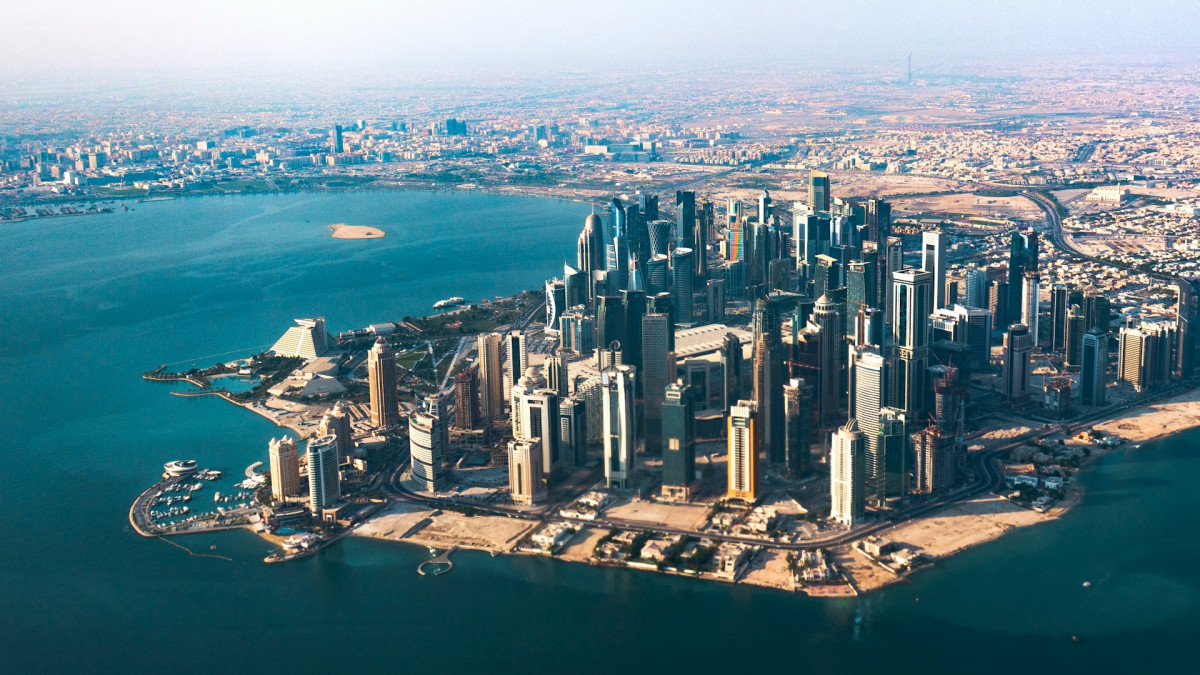
The escalating crisis in the Strait of Hormuz has evolved from a regional maritime dispute into an existential threat for global energy markets. QatarEnergy leadership confirmed that vital heavy equipment required for the North Field expansion projects remains stranded outside the Persian Gulf. International shipping disruptions have choked the logistical arteries necessary for maintaining massive industrial fabrication timelines, leaving energy conglomerates scrambling for alternative logistical routes that do not currently exist. This bottleneck underscores the extreme vulnerability of centralized energy choke points in contemporary geopolitics. State planners and corporate executives face mounting friction between ambitious production targets and the volatile realities of maritime security. As regional tensions persist, international buyers are confronting the harsh probability of delayed gas deliveries, driving anxiety across European and Asian markets that rely heavily on Qatari supply diversification. Downstream casualties include industrial consumers and municipal utilities dependent on stable long-term LNG contracts to manage power generation costs. The immediate outcome is a tightening of global gas spot prices and a forced re-evaluation of energy infrastructure redundancy. Energy producers are now compelled to redesign supply chains to minimize reliance on singular maritime corridors.
Comments 0