'How Can You Enter His House?': High Court Questions Delhi Police Over Nadeem Khan's Alleged Detention Ahead Of Jantar Mantar Protest
The Delhi High Court questioned the police over the alleged detention of activist Nadeem Khan before a Jantar Mantar demonstration. The court asked why the police would confine a protester when denying permission for a rally is a legal right.
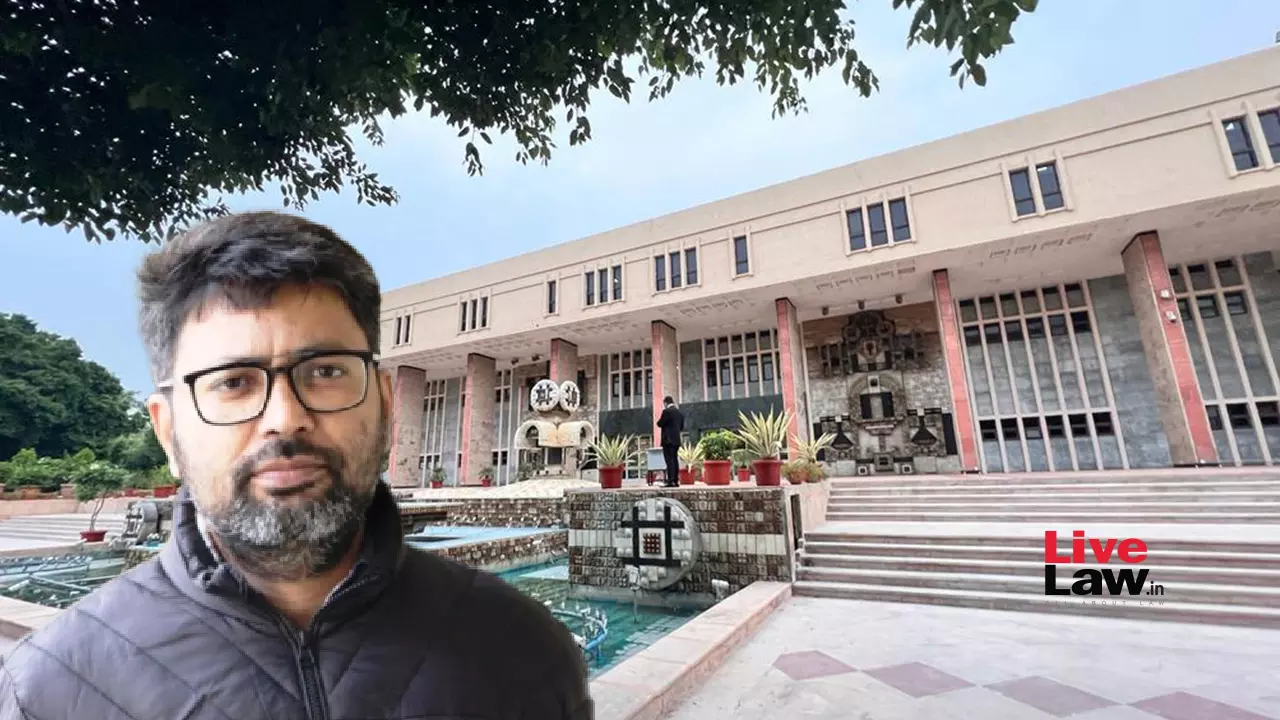
The Delhi High Court examined a petition that challenged the police detention of Nadeem Khan, an activist who was scheduled to join a protest at Jantar Mantar. According to the petition, Khan was taken into custody a day before the planned rally, despite not being charged with any offence. The court asked the police to explain why they had confined him when the law allows authorities to deny permission for a protest but does not give them the power to detain a participant without cause. The hearing highlighted the tension between security concerns and the right to assemble.
Indian constitutional law guarantees freedom of assembly, but it also permits reasonable restrictions in the interest of public order. The High Court’s questioning reflects a broader judicial trend of scrutinising police actions that appear to exceed statutory limits. In earlier cases, judges have ordered the release of individuals who were held without clear justification, emphasizing that any restriction must be proportionate and transparent. Legal experts note that the court’s line of inquiry could set a precedent for how future protest‑related detentions are evaluated today.
The outcome of this case is important for Indian readers because it may shape the practical exercise of protest rights in the capital. If the court finds the detention unlawful, it could compel the police to revise their procedures for handling activists ahead of large gatherings. Conversely, a ruling that upholds the detention might embolden law‑enforcement agencies to adopt a more restrictive stance. Citizens, civil‑society groups, and political parties are likely to monitor the final judgment closely, as it will influence how future demonstrations are organized and policed.
Comments 0