Hyderabad Transport Corp Saves ₹36 Crore Using i‑ALERT Driving‑Behaviour System
The Telangana state bus operator reported a diesel cost reduction of thirty‑six crore rupees after deploying i‑ALERT technology across its fleet. The system monitors driver habits, prompting immediate corrective actions that improve fuel efficiency.
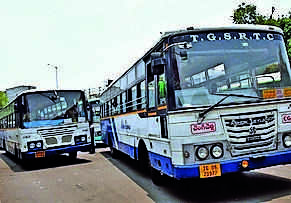
The Telangana State Road Transport Corporation (TSRTC) announced a substantial saving after installing i‑ALERT, a telematics platform that tracks acceleration, braking, and idling patterns of its 1,500 buses. By analysing the data in real time, fleet managers identified inefficient driving practices and instituted targeted training programmes, resulting in a marked decline in fuel consumption. The financial benefit, quantified at thirty‑six crore rupees, demonstrates the tangible returns that can be achieved through modest technological upgrades in public transport.
Beyond the immediate fiscal impact, the initiative has sparked a broader conversation about sustainability in urban mobility. Environmental advocates note that reduced diesel usage translates into lower emissions, contributing to the city’s air‑quality improvement goals. Meanwhile, driver unions have expressed cautious optimism, acknowledging that data‑driven feedback can enhance safety while also offering performance‑based incentives. The success of i‑ALERT may encourage other municipal transport agencies to explore similar solutions, fostering a competitive market for fleet‑management innovations.
In the longer term, the cost savings are expected to be reinvested into service enhancements, such as newer buses and expanded routes, thereby improving commuter experience. The model also provides a template for private operators seeking to optimise operational expenses without compromising service quality. As Indian cities grapple with congestion and pollution, technology‑enabled efficiency measures like i‑ALERT could become a cornerstone of future urban transport strategies.
Comments 0