IIIT‑Pune students launch voice‑guided payment app to empower visually impaired users
A team of engineering students at IIIT‑Pune unveiled a mobile application that enables blind and low‑vision individuals to conduct financial transactions using voice commands. The prototype promises greater financial inclusion for a demographic traditionally excluded from digital banking. The launch has sparked interest among fintech firms seeking to integrate accessibility features into their platforms, potentially reshaping industry standards for inclusive design.
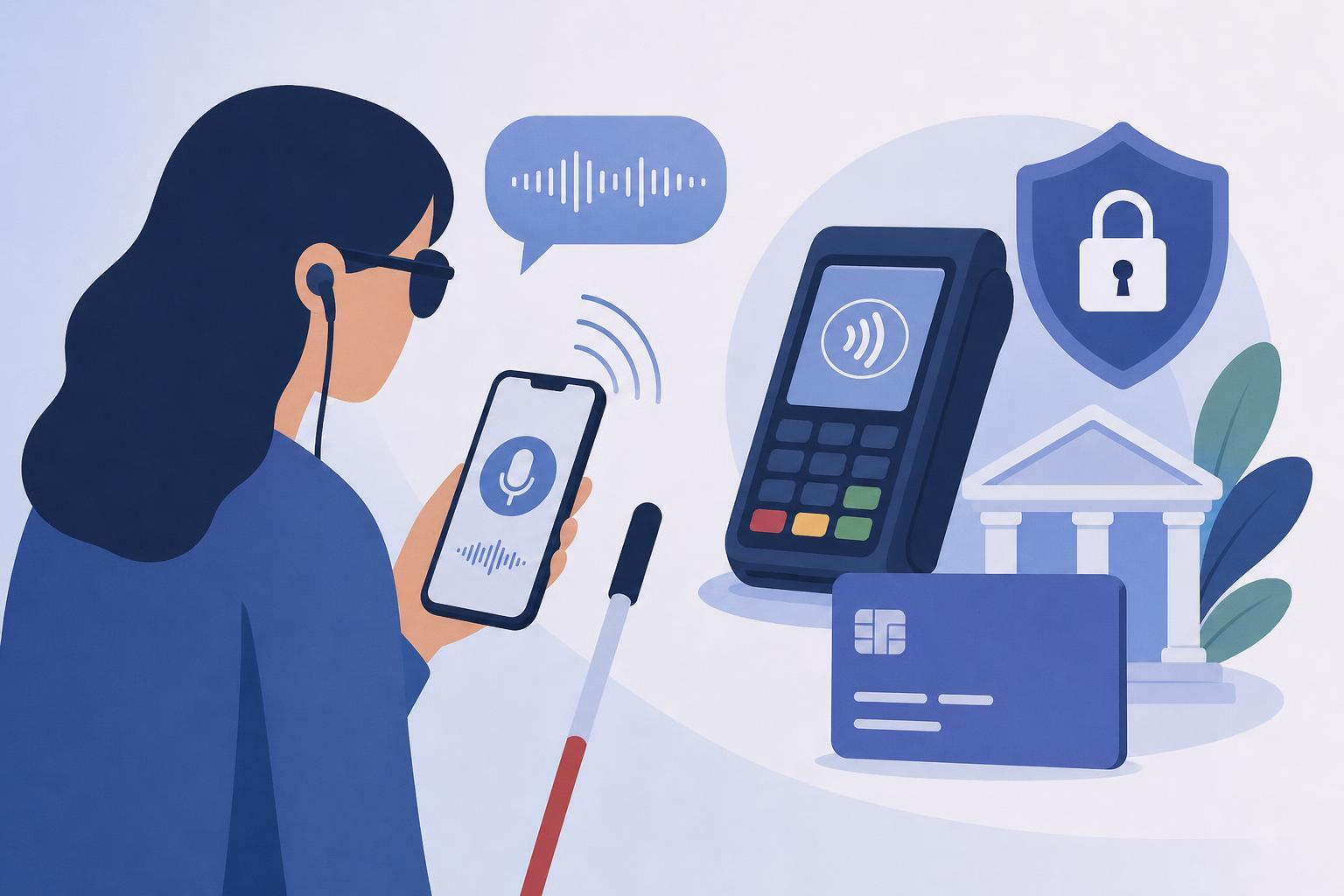
The concrete rupture occurred when the student team demonstrated the app’s ability to guide users through account balance checks, fund transfers, and bill payments solely via spoken prompts, eliminating the need for visual navigation. Built on open‑source speech‑recognition libraries, the application translates auditory input into secure transaction commands, with encryption safeguards to protect user data. Early trials with a focus group of visually impaired participants reported a 78 percent success rate in completing transactions without assistance, marking a significant step toward autonomous digital banking.
Underlying tension revolves around the broader challenge of making financial technology accessible to all citizens, especially in a country where an estimated 70 million people live with visual impairments. Existing banking apps often rely on visual cues, creating barriers that force many to depend on intermediaries, thereby compromising privacy and convenience. The student project highlights a gap in the market that larger fintech companies have been slow to address, partly due to limited regulatory incentives for inclusive design.
The downstream impact includes potential partnerships with major banks and payment gateways eager to expand their user base among underserved populations. If adopted at scale, the technology could reduce the reliance on physical cash and in‑person banking for visually impaired users, fostering greater economic participation. Moreover, the project may inspire academic institutions across India to prioritize accessibility in their curricula, leading to a new wave of inclusive innovations.
Comments 0