IIT Kanpur Engineers Unveil Tactile Interface Transforming Physical Surfaces Into Musical Instruments
Researchers at the Indian Institute of Technology, Kanpur, have developed a revolutionary sensing technology that converts ordinary flat surfaces into responsive musical instruments. By translating finger pressure and movement into audio outputs, the innovation eliminates the need for physical hardware orchestras.
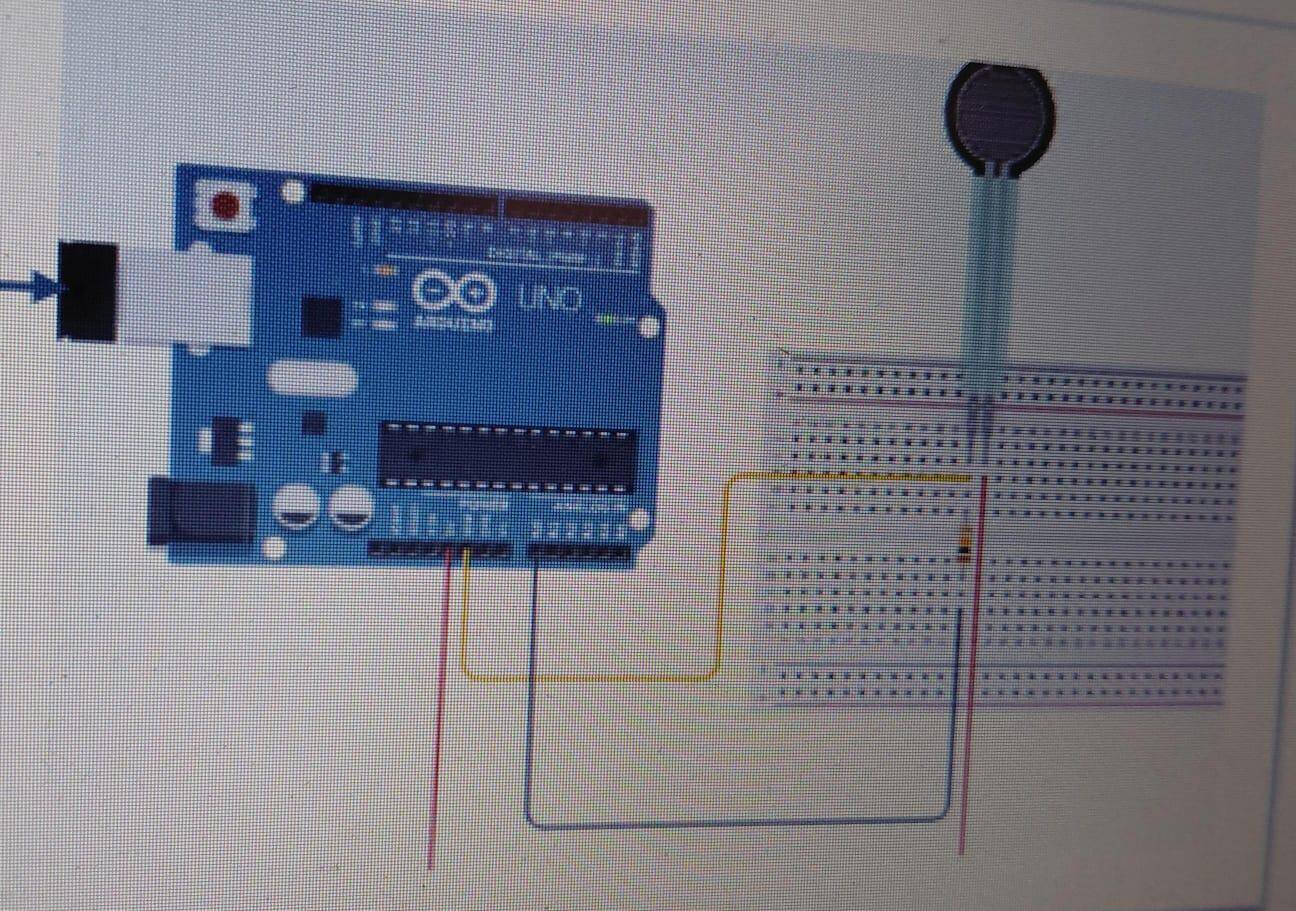
The engineering team leveraged advanced piezoresistive sensor arrays and proprietary signal processing algorithms to detect micro-vibrations across non-conductive materials like wood, glass, and stone. When a user taps or slides their fingers across a designated surface, the system maps kinetic inputs directly to synthesized audio frequencies in real time. This breakthrough bridges the gap between physical touch and digital acoustic generation without encumbering the user with wearable hardware. Commercial adoption discussions are already underway with interactive design firms and educational technology manufacturers seeking low-cost experiential learning tools. Traditional musical instrument makers view the technology with cautious skepticism, recognizing its potential to disrupt acoustic manufacturing paradigms. Meanwhile, software developers are rushing to build application programming interfaces that support custom sonic mapping for the new hardware. The democratization of acoustic creation promises to reshape music education in resource-constrained schools across India, allowing students to generate complex compositions using basic classroom furniture. As the technology scales toward commercial manufacture, manufacturing costs are projected to plummet, enabling ubiquitous tactile computing applications across consumer electronics.
Comments 0