India Accelerates Free Trade Negotiations to Anchor Global Supply Chains
Commerce Minister Piyush Goyal announced aggressive trade pact negotiations spanning thirty-one nations to secure long-term market access for domestic industrial output. The offensive seeks to capture significant global trade volume as Western multinational firms diversify away from East Asian manufacturing hubs.
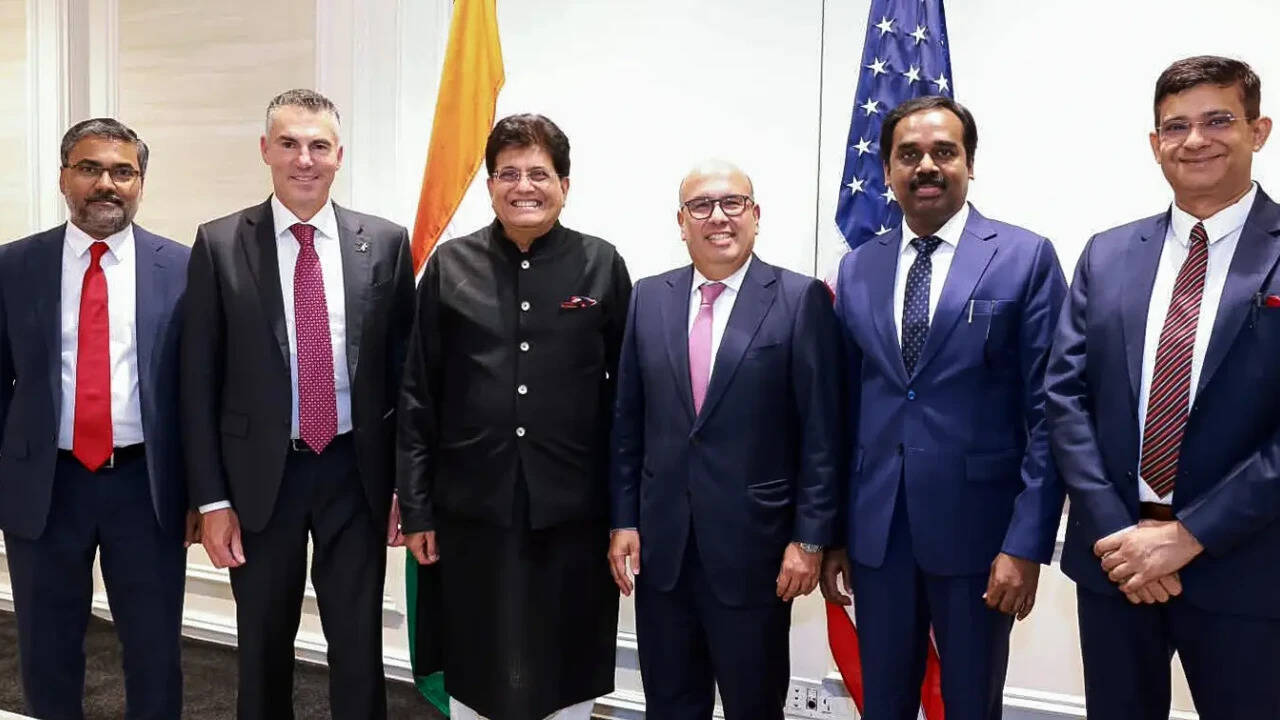
India has launched a coordinated diplomatic and commercial campaign to negotiate free trade agreements across thirty-one partner nations, targeting dominance in global export channels. Commerce Minister Piyush Goyal framed the broad initiative around securing long-term preferential access for Indian manufacturing output in Western markets. The expansion signals an aggressive departure from historic trade protectionism, positioning domestic supply chains to absorb industrial realignment away from traditional East Asian manufacturing centers. This policy shift highlights the tension between legacy domestic lobbies seeking tariff shelters and export-oriented industrial conglomerates demanding seamless access to foreign markets. Bureaucrats in New Delhi must navigate complex domestic agricultural sensitivities and intellectual property demands from foreign trade partners while ensuring that domestic firms remain competitive against lower-cost overseas producers. The economic outcome will determine the fortunes of India's expanding industrial sector and middle-class labor markets over the coming decade. If these trade agreements succeed, high-value manufacturing and technology supply chains will permanently shift toward Indian industrial corridors. Conversely, failure to balance domestic tariff protections could leave export-driven enterprises squeezed between rising input costs and protected domestic markets.
Comments 0