India Bars Sugar-Based Ethanol From 2026-27 Tender For Petrol Blend
India has decided to exclude sugar‑based ethanol from the tender for petrol blending starting in the 2026‑27 supply year. The tender, issued by BPCL, seeks about 11 billion litres of ethanol to meet a 20 percent blend target.
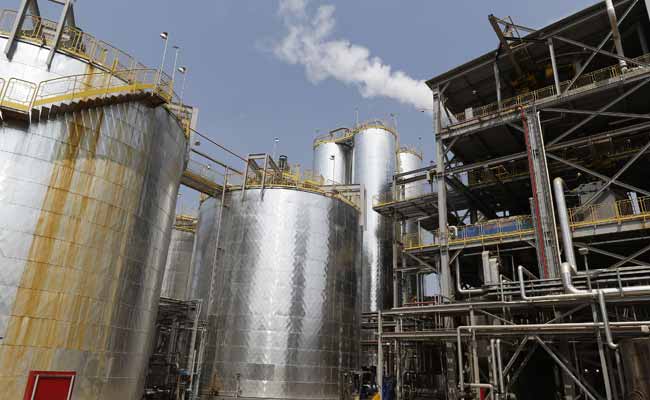
On October 16, Bharat Petroleum Corporation Ltd (BPCL), acting on behalf of the oil marketing companies, released a tender that invites bids for roughly 11 billion litres of ethanol for the upcoming supply year beginning in November. The tender is part of the government's ongoing effort to achieve a 20 percent ethanol blend in petrol, a target set to reduce carbon emissions and lower dependence on imported oil. However, the notice explicitly bars the use of sugar‑derived ethanol, a move that has sparked debate among industry stakeholders.
The decision to bar sugar‑based ethanol stems from concerns about food security and the volatility of sugar prices. Analysts note that diverting sugarcane juice to fuel production can tighten domestic sugar supplies, potentially raising prices for consumers, especially during periods of low harvest. By focusing on molasses‑derived ethanol, which is a by‑product of sugar processing, the government aims to balance energy goals with the need to keep essential food commodities affordable. The tender also outlines quality standards and pricing mechanisms intended to attract private investors while safeguarding the interests of sugar mill owners.
For Indian readers, the policy shift has direct implications for both the energy sector and the agricultural economy. Sugar mills that had begun investing in ethanol plants may need to adjust their production plans, while fuel retailers will have to source ethanol from alternative feedstocks. The move also signals the government's broader strategy to meet climate commitments without compromising food availability, a balance that will be closely watched by policymakers, farmers, and consumers alike.
Comments 0