India Breaks Half-Century Trend as Clean Energy Expansion Halts Coal Power Growth
India's coal-fired power generation remained completely stagnant between the first half of 2024 and the first half of 2026, marking the first such two-year pause in over fifty years. The historic slowdown highlights the accelerating penetration of renewable energy infrastructure across the subcontinent.
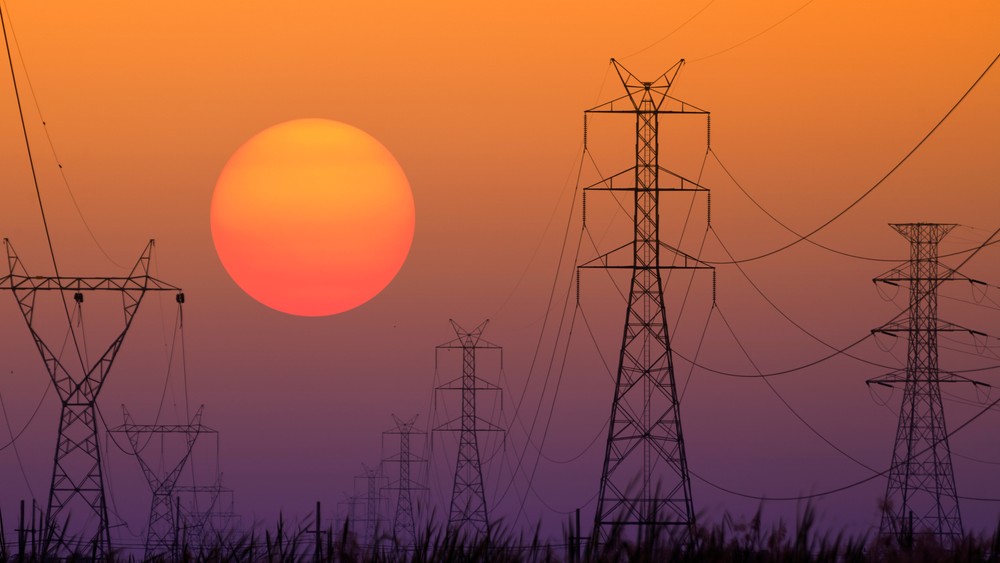
For the first time in half a century, the unrelenting upward trajectory of coal consumption in the world's second-largest coal consumer has hit a structural ceiling. Comprehensive energy analytics reveal that aggressive deployment of solar and wind generation assets has absorbed virtually all incremental electricity demand growth across the country. Utilities that once rushed to commission thermal capacity are now recalibrating capital expenditure toward grid stabilization, battery storage systems, and decentralized green corridors. This plateau exposes deep structural friction within state-owned distribution utilities, which continue to struggle with chronic financial deficits despite the influx of cheap renewable power. Coal-dependent industrial belts and mining states face impending economic contraction as national energy policies prioritize decarbonization targets over traditional mineral extraction revenues. Furthermore, legacy thermal plants are increasingly relegated to erratic load-following roles, eroding their profitability and threatening non-performing asset crises for state lenders. The tangible outcome of this energy transition is a fundamental reordering of India's industrial supply chains and carbon accounting models. While the nation avoids millions of tons of greenhouse gas emissions, state governments dependent on coal royalties must urgently diversify their local economies. Over the medium term, the ability of the national grid to manage intermittent renewable supply without triggering regional brownouts will determine the permanence of this historic coal plateau.
Comments 0