India Condemns US Court Summons to NSA Over Terrorist Lawsuit
The Indian government labelled a New York court’s subpoena to senior officials, including the NSA, as a malicious intrusion into sovereign affairs. The episode has heightened diplomatic tension and raised questions about the jurisdiction of foreign courts over Indian nationals.
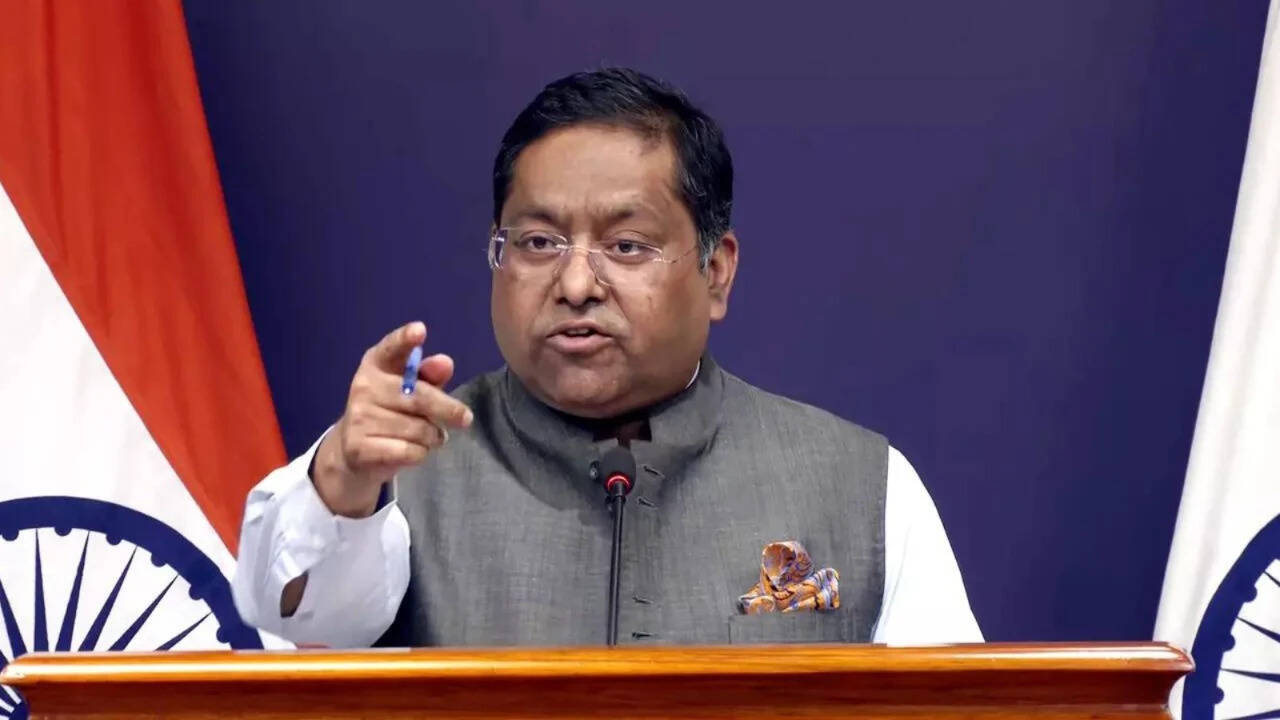
When a federal judge in New York issued a summons to the National Security Agency and senior Indian officials in connection with a civil suit filed by a self‑identified terrorist, New Delhi responded with a forceful rebuke, describing the move as an affront to the nation’s sovereignty. The Indian Ministry of External Affairs issued a statement asserting that the United States had no jurisdiction to compel testimony from Indian officials, especially on matters involving alleged terrorist activities that fall under the purview of Indian law enforcement agencies. The diplomatic protest was accompanied by a request for the summons to be withdrawn, citing international comity and the principle of sovereign immunity.
The lawsuit, filed by a Pakistani activist named Pannun, alleges that Indian agencies colluded in actions that purportedly harmed his interests. While the case is largely symbolic, the legal maneuver has ignited a broader debate within the Indian foreign policy establishment about the limits of extraterritorial legal actions. Analysts warn that such precedents could embolden other litigants to seek court orders against Indian officials abroad, potentially exposing them to politically motivated legal battles. The incident also underscores the growing entanglement of cyber‑security, intelligence sharing, and trans‑national legal frameworks in an era of heightened geopolitical rivalry.
In the wake of the summons, senior diplomats are expected to engage in high‑level talks with their American counterparts to negotiate a mutually acceptable protocol for handling similar requests in the future. The episode may also prompt India to revisit its legal safeguards for officials operating overseas, possibly leading to legislative amendments that reinforce diplomatic immunity. Over the next twelve months, the dispute could shape a new chapter in Indo‑American legal cooperation, influencing how both nations navigate the delicate balance between accountability and sovereign protection.
Comments 0