India Engineers Indigenous 350 KMH High Speed Rail Network For 2030 Deployment
India has accelerated its domestic high speed rail ambitions, committing to rollout indigenous B28 trains operating at 249 kmph by 2027 before scaling to 350 kmph variants by 2030. The massive infrastructural undertaking on the Mumbai Ahmedabad corridor exceeds two lakh crore rupees in projected capital expenditure.
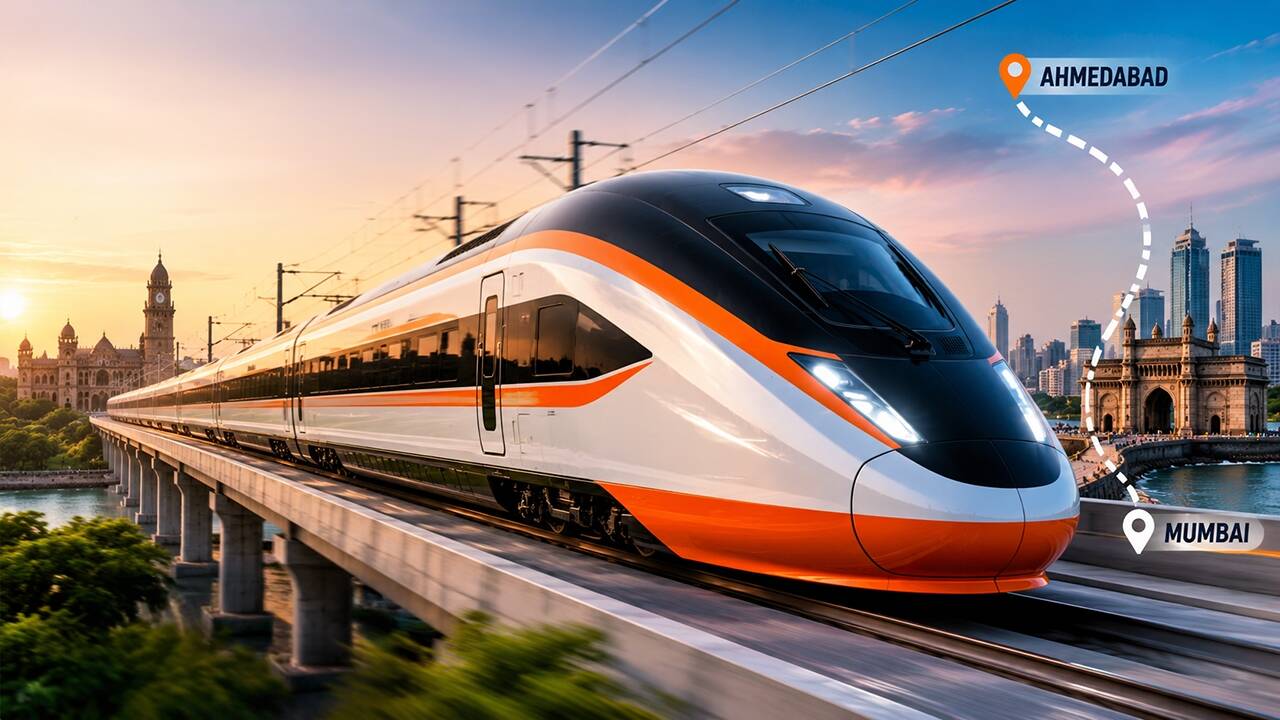
The ambitious industrial pivot marks a definitive shift from reliance on foreign rolling stock manufacturers toward sovereign technological capability. By targeting advanced aerodynamic engineering and indigenous propulsion systems, railway planners aim to establish domestic manufacturing ecosystems capable of rivalling established global heavyweights. The financial magnitude of the venture demands rigorous fiscal discipline as execution timelines tighten toward the initial 2027 milestone. Institutional friction persists between land acquisition bottlenecks and environmental clearances across two states, testing administrative coordination at both federal and municipal tiers. Bureaucratic oversight mechanisms must navigate complex right of way acquisitions while simultaneously managing spiralling supply chain costs for specialized metallurgical inputs. Contractors face intense pressure to accelerate civil works along the 508 kilometre route without compromising structural integrity or worker safety standards. The successful integration of domestic high speed corridors will fundamentally transform commercial logistics and passenger transit paradigms across western India. Regional economic clusters will experience compressed transit times, effectively merging metropolitan labor markets and stimulating secondary real estate expansion along designated station hubs. Domestic manufacturers securing primary component contracts stand to gain formidable technological competencies for future export markets across the Global South.
Comments 0