India seeks to expand gold mining as domestic reserves outpace imports
The government highlighted that the country possesses over six hundred tonnes of primary gold, urging a shift toward increased extraction rather than reliance on imports. The policy aims to reduce the trade deficit and strengthen mineral self‑sufficiency.
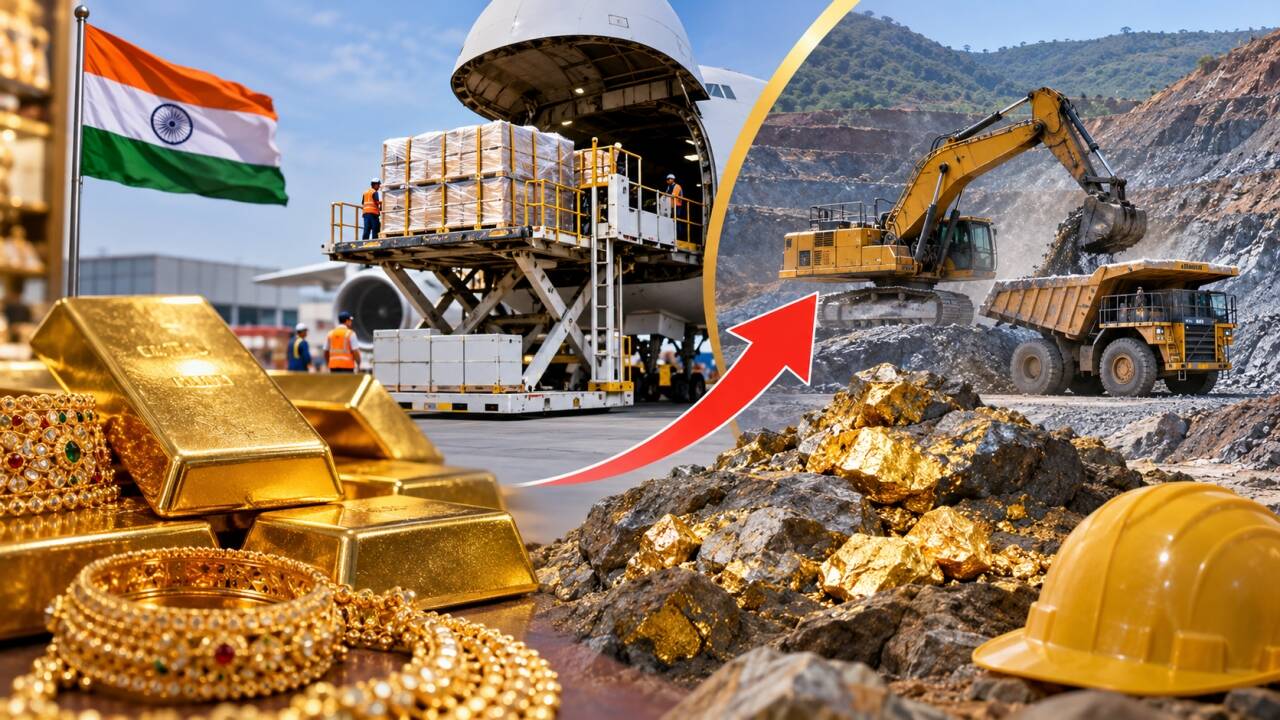
The concrete rupture in India's mineral policy arrived with the announcement that the nation holds approximately six hundred and seven tonnes of primary gold, yet continues to import over eight hundred tonnes annually. This disparity prompted officials to advocate for accelerated mining activities, particularly in Bihar, which accounts for the largest share of known reserves, followed by Rajasthan. By tapping these deposits, the state hopes to curtail the record‑high import bill that has positioned India as the world's fifth‑largest gold importer.
Underlying tension lies between mining interests, environmental regulators, and local communities. While the mining sector argues that expanded extraction will generate employment and revenue, environmental groups raise concerns about ecological degradation, water usage, and the impact on agricultural lands. Additionally, the policy intersects with broader debates on resource nationalism, as the government balances foreign exchange savings against the need for sustainable development.
Downstream effects could manifest as increased capital inflow into mining projects, prompting revisions to licensing frameworks and the introduction of incentives for private investors. The shift may also affect the domestic jewellery market, potentially stabilising prices if supply constraints ease. Moreover, a successful ramp‑up in gold production could influence India's balance of payments, reducing the fiscal pressure caused by high import costs and enhancing the country's strategic reserves.
Comments 0