Indian Student Enrolments Decline in U.S. Even as Post‑Study Work Permits Rise
Data released by U.S. education authorities show a drop in new Indian enrolments for the 2026 academic year, despite a surge in post‑study work authorisations. The paradox points to shifting aspirations and policy impacts.
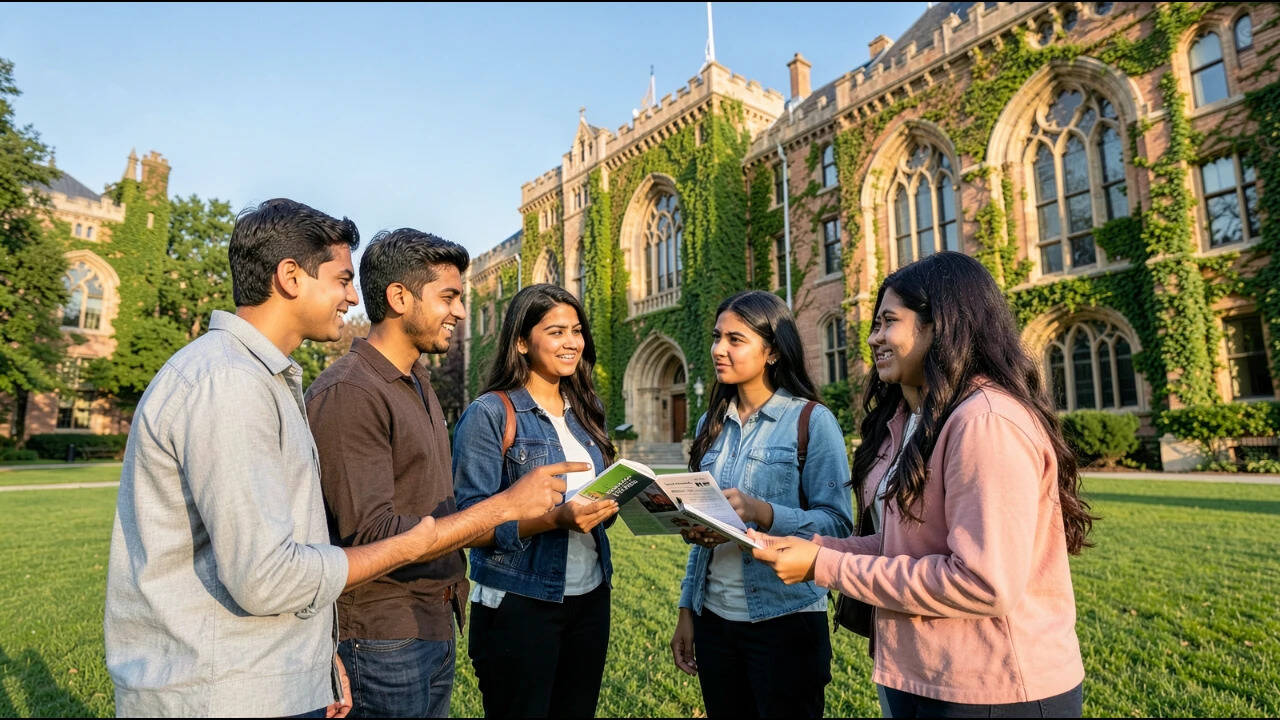
The latest figures from the U.S. Department of Education reveal that the number of Indian students accepted into American universities for the 2026 intake fell by roughly five percent compared with the previous year. At the same time, the Department of Homeland Security reported a 30 percent increase in the issuance of Optional Practical Training (OPT) extensions for Indian graduates, signalling a growing appetite for post‑study employment opportunities. Analysts attribute the enrolment dip to heightened visa processing delays, rising tuition costs, and a perception that the return on investment in foreign education is diminishing.
These trends have sparked a debate within Indian higher‑education circles about the adequacy of domestic alternatives and the role of government scholarships. Universities in Delhi, Mumbai, and Bangalore are expanding their research facilities and industry linkages to retain talent, while the Ministry of External Affairs is negotiating bilateral agreements to streamline visa procedures. However, institutional inertia and the entrenched prestige of U.S. degrees continue to influence student choices, creating a tension between national capacity building and individual career strategies.
The immediate consequence is a reallocation of resources within Indian private coaching and test‑preparation markets, which are adjusting their services to focus more on career placement rather than overseas admission. In the longer term, the United States may experience a modest shortfall in the diversity of its campus populations, while Indian firms could benefit from a larger pool of graduates equipped with international work experience, potentially accelerating the country’s own innovation ecosystem.
Comments 0