India’s Consumer Price Surge Touches Two‑Year High
Retail inflation climbed to 6.09 percent, the highest level in two years, driven by a sharp rise in food prices that reached nearly nine percent. The surge has pushed the Reserve Bank of India toward a possible rate hike as policymakers grapple with mounting price pressures.
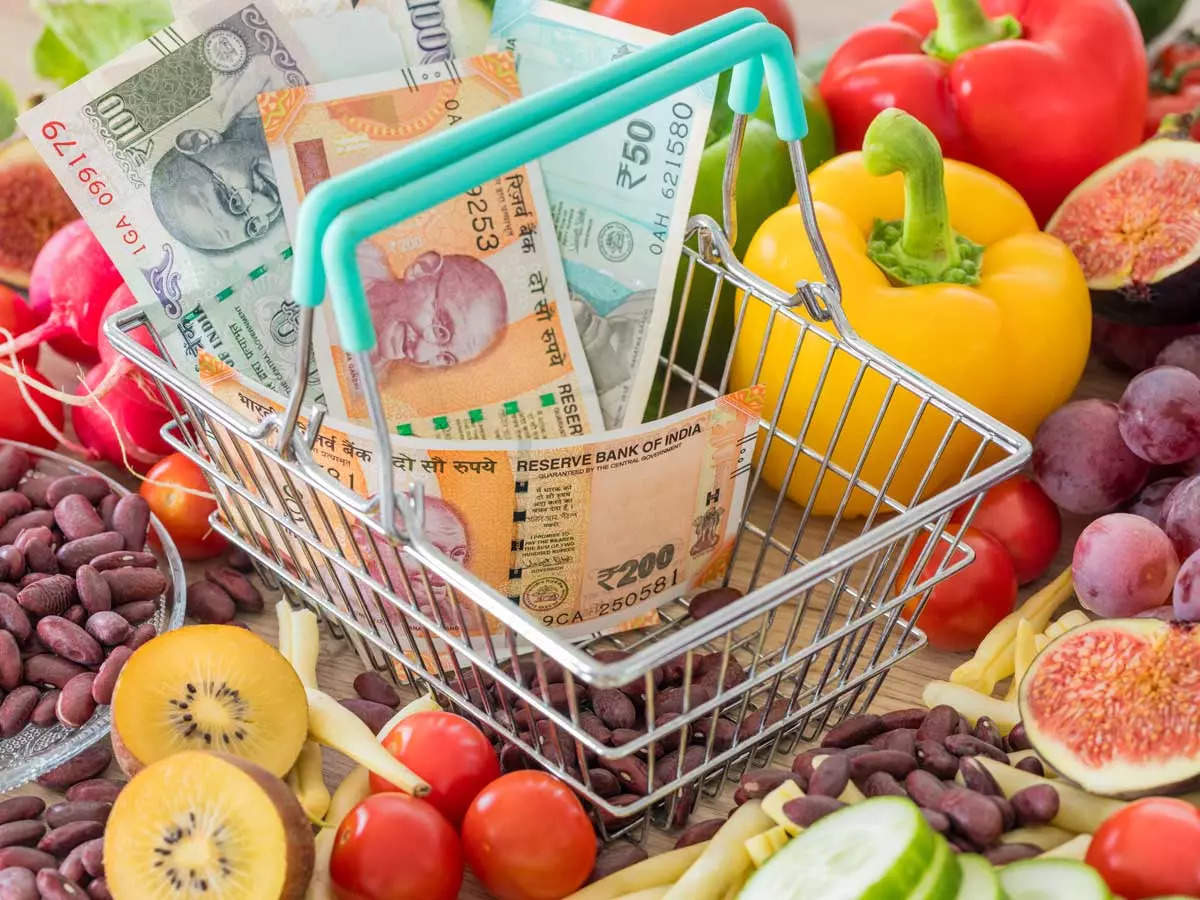
The latest consumer‑price data reveal that India’s retail inflation has accelerated to 6.09 percent, eclipsing the upper bound of the central bank’s tolerance band. Rural markets recorded an even steeper increase at 6.63 percent, while urban areas rose to 5.41 percent, underscoring a broad‑based price shock. Food prices, measured by the All India Consumer Food Price Index, surged to a provisional 8.94 percent in October 2026, reflecting tighter supply chains, higher input costs, and lingering effects of erratic monsoon patterns. These figures place the economy at a crossroads, where inflationary momentum threatens to erode real incomes and destabilise consumer confidence.
The inflationary surge has ignited a fierce debate within the Reserve Bank of India and among fiscal authorities about the appropriate policy response. On one side, the central bank’s mandate to preserve price stability urges a tightening of monetary conditions, potentially through an increase in the policy repo rate. On the other, the government worries that higher borrowing costs could dampen investment and slow the recovery that followed the pandemic slowdown. Market participants have already priced in a higher probability of a rate hike, and the rupee’s recent weakness adds another layer of complexity, as a stronger dollar could further fuel import‑linked price pressures.
The downstream consequences of sustained high inflation are likely to be felt across the economy. Households will see a squeeze on disposable income, particularly those spending a larger share on food, which could depress retail sales and widen inequality. Credit markets may tighten as lenders adjust to a higher policy rate, raising the cost of loans for businesses and consumers alike. Politically, the inflation spike could become a focal point in upcoming electoral contests, compelling parties to promise relief measures that may strain fiscal balances. In the longer term, persistent price pressures could compel the RBI to adopt a more hawkish stance, reshaping the credit environment for the next twelve months.
Comments 0