India's Drone Sector Confronts a Supply Chain Security Crisis
The Indian drone industry has raised urgent alarms after discovering that military tenders specify components linked to Chinese manufacturers. This revelation exposes a critical vulnerability in the nation's defence procurement framework, threatening the integrity of its indigenous manufacturing ambitions.
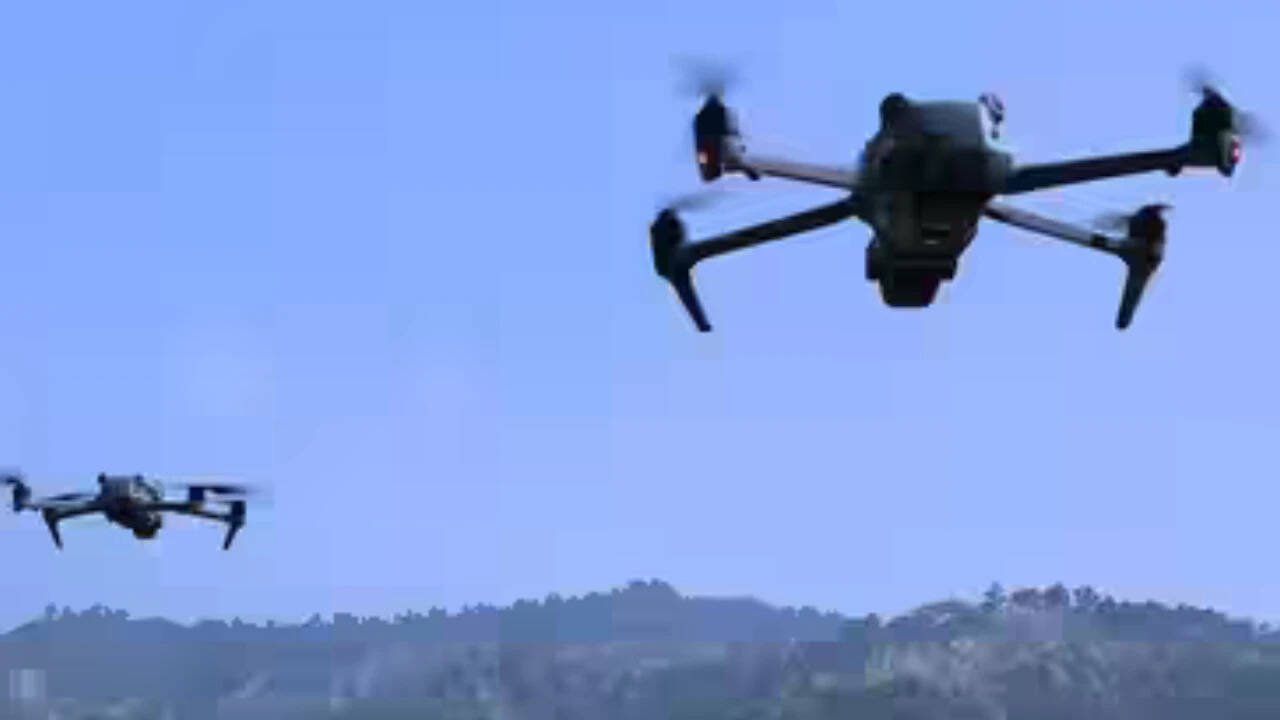
The rupture in India's defence procurement process was not a single event but a systemic discovery that sent shockwaves through the domestic drone ecosystem. Industry bodies reported that recent military tenders explicitly called for parts with Chinese origins, a finding that contradicts the government's stated policy of strategic autonomy. This was not a minor oversight in a low-stakes contract; it struck at the heart of the Make in India initiative for defence, where the goal is to replace foreign dependency with robust domestic supply chains. The immediate consequence is a freeze on trust between the armed forces and the private sector, as manufacturers now face the prospect of being penalized for following written specifications that compromise national security.
The underlying tension reveals a deep institutional friction between the speed of modern warfare and the rigidity of bureaucratic procurement. The Indian military, facing an increasingly complex threat environment, has been pushing for rapid deployment of autonomous systems. However, the administrative machinery that drafts these tenders often lags behind, relying on outdated vendor lists or failing to conduct rigorous origin checks on sub-components. This disconnect allows foreign-made parts to slip into contracts intended to bolster indigenous capability. The industry argues that without a unified, real-time database of approved components, the risk of inadvertent inclusion of adversarial technology will persist, undermining the very purpose of local manufacturing.
The downstream casualties of this security breach are significant and tangible. Domestic drone manufacturers, who have invested heavily in setting up production lines to meet these military demands, now face the risk of contract cancellation or reputational damage. More broadly, the incident could chill foreign investment in India's defence sector, as international partners may view the supply chain as porous. The structural outcome is a forced acceleration of the 'Atmanirbhar Bharat' (self-reliant India) doctrine, compelling the government to overhaul its tendering processes and establish stricter certification protocols for all defence electronics. This will likely lead to a short-term slowdown in drone deployments but a long-term hardening of the national security architecture.
Comments 0