India’s Medical Expansion: 75,000 New Seats by 2029
The Indian government has announced plans to add 75,000 medical seats by 2029, increasing the total number of medical colleges to 863. This initiative aims to address the shortage of healthcare professionals and improve access to medical services across the country.
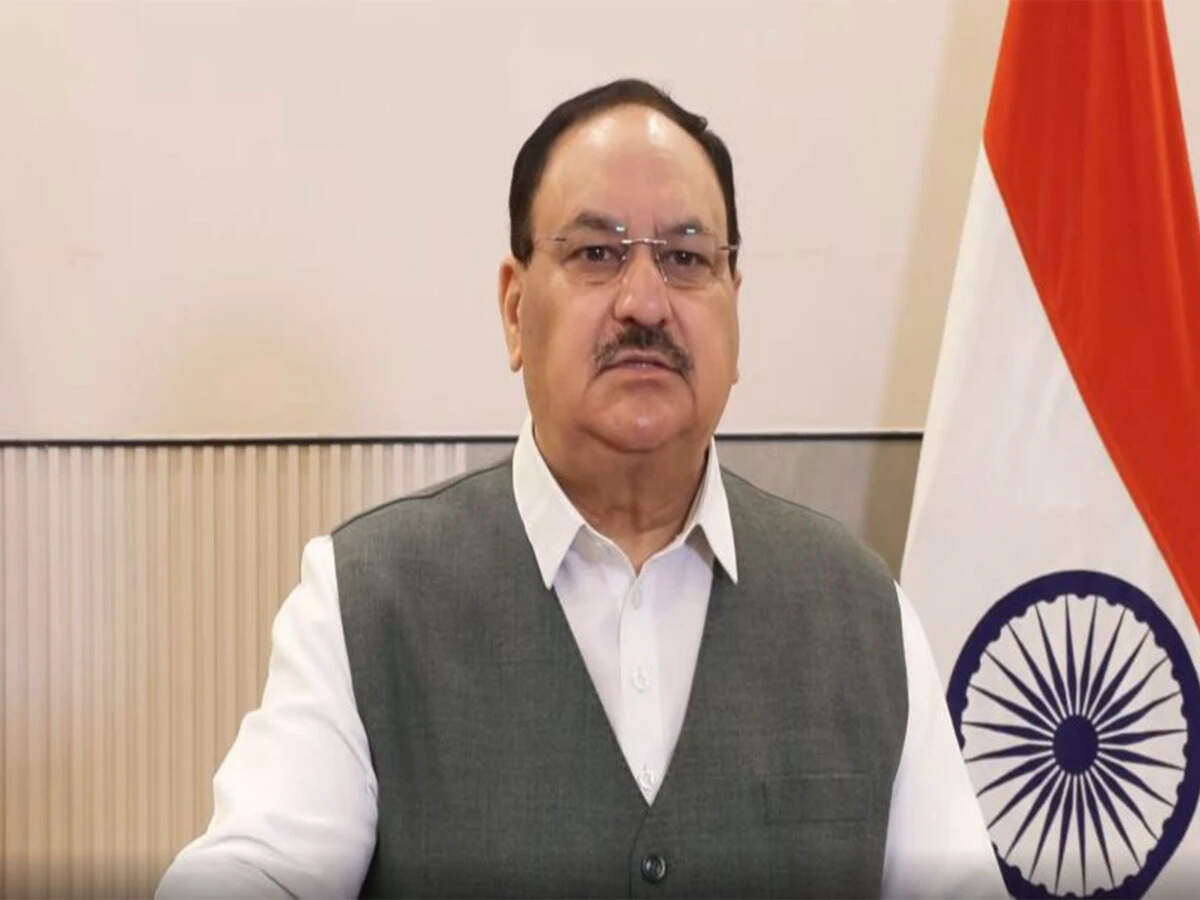
The concrete rupture in India’s healthcare infrastructure occurred with the government’s announcement to add 75,000 medical seats by 2029. This significant expansion is part of a broader effort to address the chronic shortage of doctors and improve the quality of healthcare services. The increase in the number of medical colleges to 863 reflects a strategic shift towards decentralizing medical education and making it more accessible to students from diverse backgrounds.
The underlying tension involves the balance between expanding capacity and maintaining the quality of medical education. Institutional friction arises from the challenges of ensuring that new medical colleges meet the necessary standards for faculty, infrastructure, and clinical training. This expansion also raises questions about the integration of new graduates into the existing healthcare system, which is already under pressure.
The downstream casualties include potential concerns about the dilution of medical standards and the ability of the healthcare system to absorb a larger number of graduates. The tangible outcome is a more robust pipeline of medical professionals, which could lead to improved healthcare outcomes in the long term. This initiative also signals a commitment to addressing the root causes of healthcare disparities, particularly in rural and underserved areas.
Comments 0