Indiramma insurance: Telangana weighs Aadhaar-based cover for families without ration cards
Telangana is considering extending its Indiramma family insurance scheme to households that lack a ration card by using Aadhaar as the eligibility proof. The change aims to bring insurance benefits to vulnerable families who are currently excluded from the public distribution system.
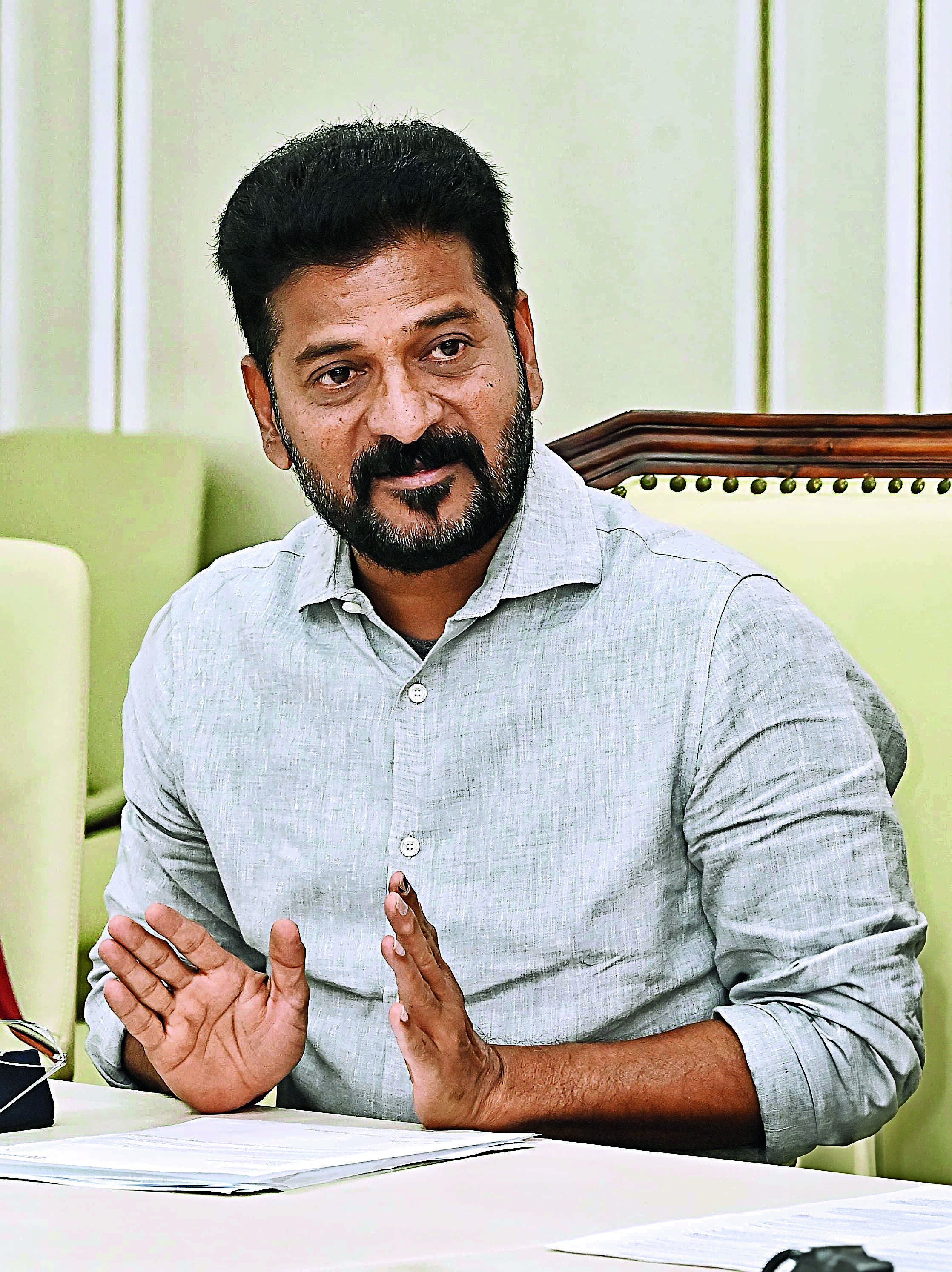
The Telangana government is reviewing a proposal to extend its Indiramma family insurance scheme to households that do not possess a ration card. Under the current arrangement, the scheme provides a modest life cover and accidental death benefit to families that are enrolled through the public distribution system. Officials say that many vulnerable households are left out because they lack a ration card, which is the traditional eligibility document. By linking the insurance to the Aadhaar biometric identity, the state hopes to reach those families without having to issue new ration cards.
Aadhaar, the 12‑digit unique identification number issued to all Indian residents, can serve as a single verification point for a range of government services. In Telangana, the database already contains biometric and demographic details for more than 30 million people, making it a practical tool for confirming household composition and income status. By using Aadhaar, the state can automatically generate a family list, assign the insurance premium, and issue the policy document electronically. This approach also reduces the administrative burden of maintaining separate ration‑card registers, which have often been plagued by duplication and delays.
If the proposal is approved, the insurance cover could be rolled out in the next fiscal year, with an estimated 1.2 million families targeted initially. The move is expected to improve financial resilience among low‑income households, especially in rural districts where ration‑card coverage remains low. Analysts note that linking welfare benefits to Aadhaar may raise privacy concerns, but the state government has pledged to follow the national data‑protection guidelines. For Indian readers, the scheme illustrates how digital identity can be leveraged to expand social safety nets without creating new bureaucratic layers.
Comments 0