Institutional Confrontation in New Delhi as Opposition Leaders Challenge Electoral Authority
Senior Indian National Congress figures launched a blistering attack on the nation's election machinery, formally designating the Chief Election Commissioner a political partisan. The high-stakes confrontation introduces five stringent demands aimed at overhauling transparency protocols within the poll process.
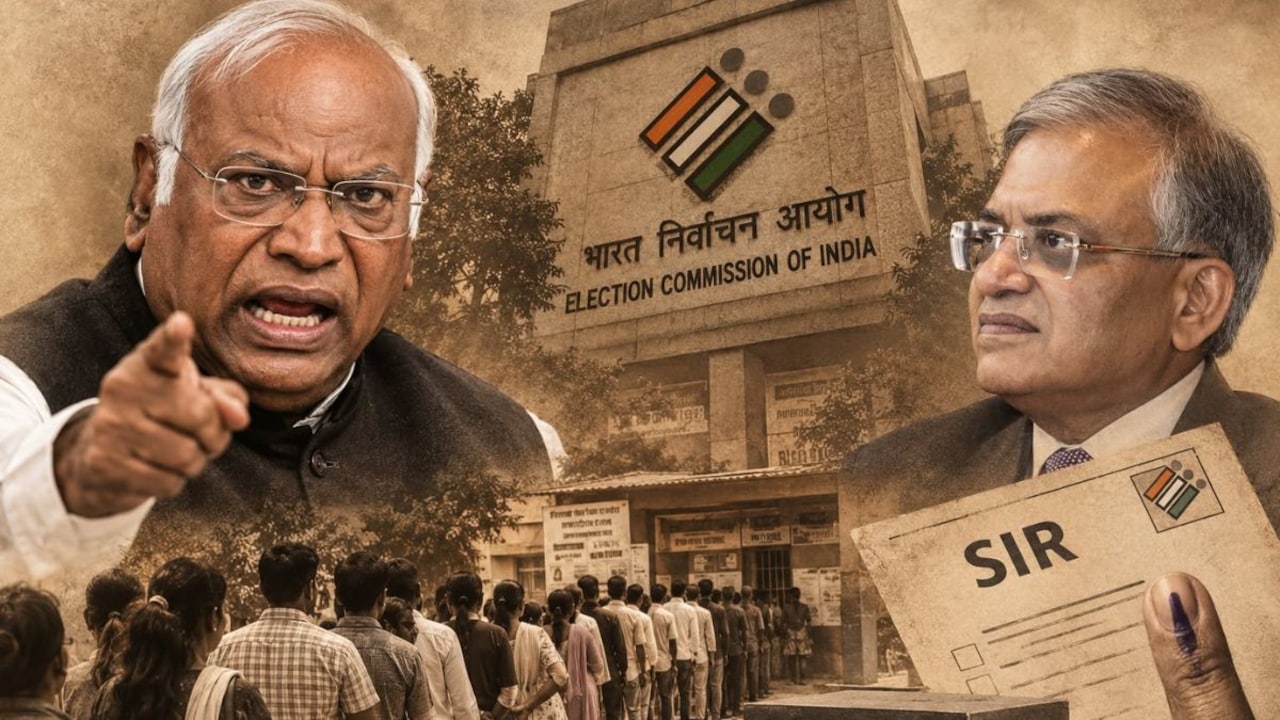
The political arena in the capital witnessed an extraordinary escalation of hostility directed at constitutional arbiters during a high-level party working committee gathering. Accusing the election administration of acting as an extension of the ruling executive, opposition leaders presented a comprehensive dossier alleging systemic irregularities in recent electoral outcomes. The critique targets the foundational credibility of neutral administrative bodies, signaling a profound deterioration of trust between political challengers and state oversight institutions. At the heart of the dispute lies deep institutional friction over electronic voting technology, voter verification trails, and the administrative autonomy of the election commission. Opposition strategists argue that procedural obfuscation has fundamentally tilted the playing field, making fair competition nearly impossible without mandatory independent oversight. The administration, meanwhile, defends its structural integrity, characterizing these aggressive challenges as desperate attempts by declining political formations to discredit legitimate democratic mandates. This rhetorical warfare generates immediate institutional paralysis, draining public faith in the referee of India's democracy just as critical regional contests approach. Should these demands for independent judicial probes and real-time data transparency remain unaddressed, the opposition is poised to launch protracted street agitations. The resulting friction threatens to convert routine electoral administration into an ongoing constitutional crisis, eroding the perceived legitimacy of future government formations.
Comments 0