Institutional Crisis at IIT Bombay Deepens Following Suspension Amid Administrative Turmoil
The premier institution faced intense scrutiny following the suspension of Professor Doolla amid the Sahil Wakode controversy. While authorities issued formal clarifications denying leadership resignations, the episode exposed profound governance fractures within elite technical academies.
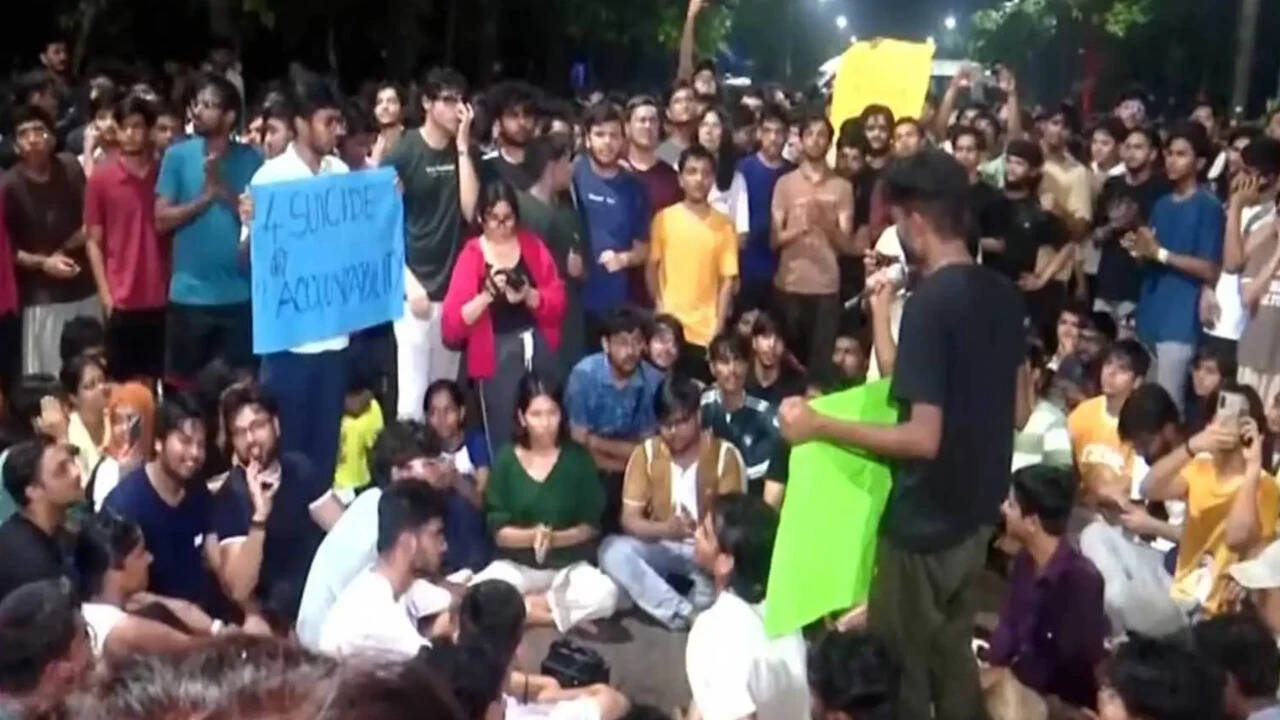
The administrative halls of the Indian Institute of Technology, Bombay, experienced an acute tremor following conflicting reports regarding leadership vacancies and institutional accountability. The immediate catalyst involved disciplinary action taken against Professor Doolla alongside the contentious circumstances surrounding the Sahil Wakode dispute. As speculation regarding senior resignations rippled across academic circles, the central administration moved swiftly to deny structural leadership departures, attempting to project stability amidst mounting internal dissent. Beneath the surface declarations of normalcy lies a deep ideological friction regarding student welfare, faculty oversight, and administrative transparency. Student bodies and faculty factions have increasingly challenged the governing apparatus, pointing to systemic communication failures and punitive measures directed at dissenting voices. This friction illustrates the growing disconnect between traditional hierarchical management styles within India's premier technical institutes and the evolving expectations of an empowered academic community demanding equitable participation. The immediate casualty of this turbulence is institutional trust, leaving faculty members hesitant and student morale fractured during an active academic term. Over the coming months, this administrative standoff is projected to invite stricter regulatory oversight from federal education bodies, forcing a comprehensive review of grievance redressal mechanisms across all elite engineering campuses.
Comments 0