Institutional Crisis Deepens as Legal Challenges Target Chief Election Commissioner Over Voter Rolls
A barrage of legal petitions in the Supreme Court and Bombay High Court seeks the prosecution of Chief Election Commissioner Gyanesh Kumar over contested voter registration decisions. The intensifying conflict exposes deep fissures within the commission regarding the Special Intensive Revision of electoral rolls.
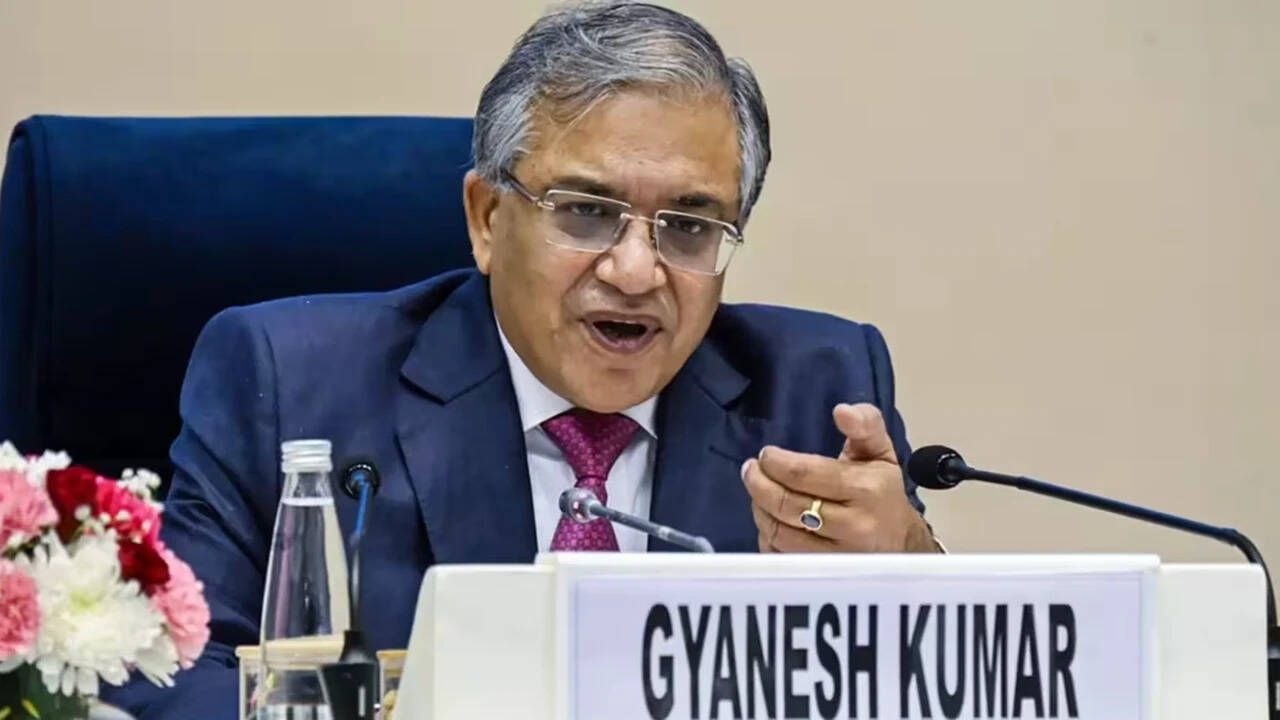
The machinery of Indian democracy is facing an unprecedented internal collision following revelations of sharp dissent within the highest echelon of the Election Commission. Petitioners have moved superior courts to demand an Special Investigation Team inquiry and the immediate quashing of fourteen administrative orders passed by Chief Election Commissioner Gyanesh Kumar. This judicial escalation follows public disclosures that two fellow election commissioners lodged vehement objections against administrative directives governing voter registration and the mass deletion of names across sensitive constituencies. At the heart of the institutional friction is the execution of the Special Intensive Revision, a massive administrative undertaking that critics argue has disproportionately targeted vulnerable urban populations while fast tracking elite entries. Senior political figures, including Kerala Leader of Opposition Pinarayi Vijayan, have seized upon the commissioners internal dissent to question the constitutional integrity of upcoming electoral outcomes. The controversy has transformed a standard bureaucratic verification process into a constitutional battleground, forcing the judiciary to adjudicate internal disagreements that were previously insulated from public view. The immediate consequence of these legal challenges is a severe erosion of public trust in the administrative neutrality of the election oversight body just as key state electorates prepare to vote. Should the courts entertain the petitions and halt the revision process, election schedules across multiple jurisdictions face paralysis, throwing administrative machinery into disarray. The outcome will permanently alter the power dynamics between the Chief Election Commissioner and appointed members, potentially establishing new judicial oversight protocols over internal election commission voting patterns.
Comments 0