Institutional Crisis Erupts at IIT Bombay Following Student Death and Protests
The tragic death of engineering student Sahil Wakode has triggered intense student demonstrations, severe caste discrimination allegations, and an active Crime Branch investigation. The institutional fallout threatens to upend administrative accountability protocols across premier Indian scientific academies.
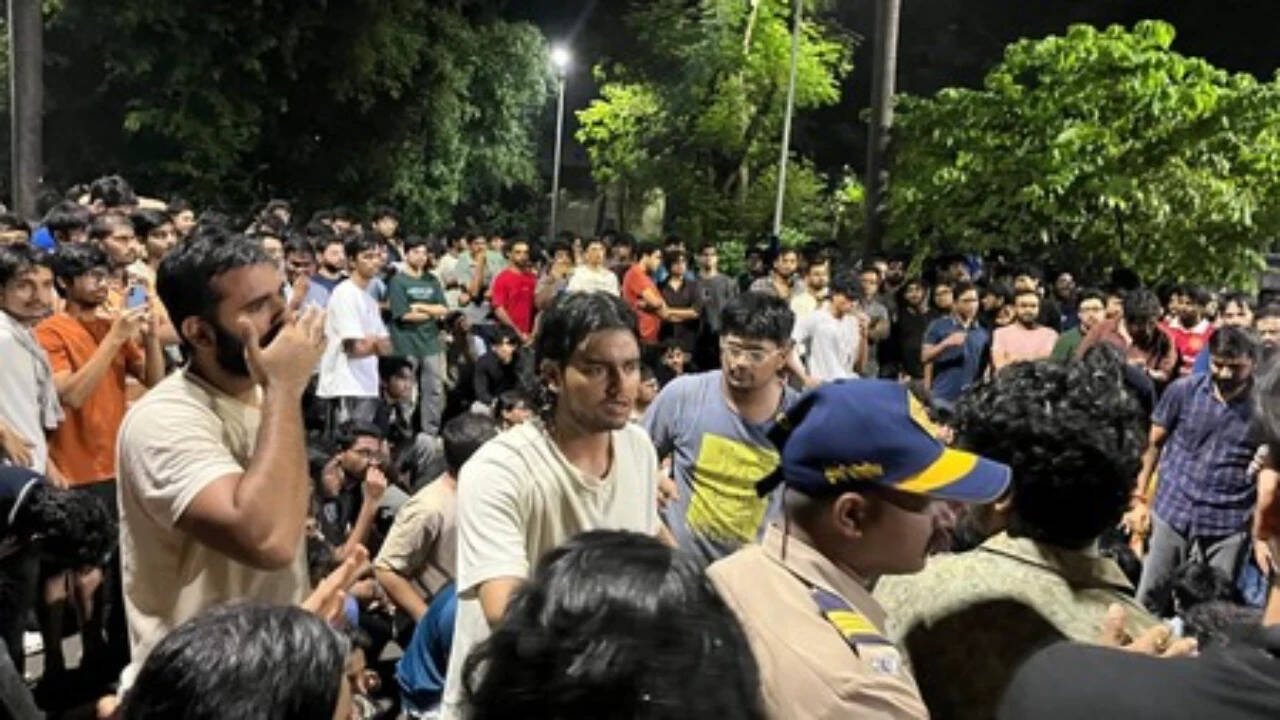
The quiet cloisters of one of India's preeminent technical institutions were abruptly shattered by a wave of grief and outrage following the unnatural death of Sahil Wakode. Student bodies immediately mobilized across the campus, accusing the administration of systemic neglect and creating an environment hostile to marginalized scholars. The grief quickly transformed into organized resistance, with protesters occupying administrative pathways and demanding the resignation of key student welfare officials. Beneath the surface of this tragedy lies a deep structural friction regarding caste dynamics and academic pressure within elite Indian institutions. Faculty members and administrators find themselves cornered by mounting demands for transparency, while student collectives argue that mental health support systems are deeply compromised by institutional apathy. The intervention of the Crime Branch signals a rare formal escalation into campus affairs, pitting state investigative machinery against traditional institutional autonomy. The immediate consequence of this upheaval is a fundamental reckoning for higher education governance across the country. As grieving families reject official narratives of suicide, public trust in elite engineering schools has suffered a profound fracture. Universities nationwide are now forced to reevaluate their grievance redressal mechanisms, knowing that further administrative missteps will invite aggressive judicial scrutiny and permanent reputational ruin.
Comments 0