Institutional Crisis Erupts at Punjab University Following Student Protests and Violence
Campus unrest at a major northern Indian university escalated into widespread violence driven by contested allegations of administrative negligence and student safety failures. The confrontation exposed deep fractures in institutional governance and student welfare management.
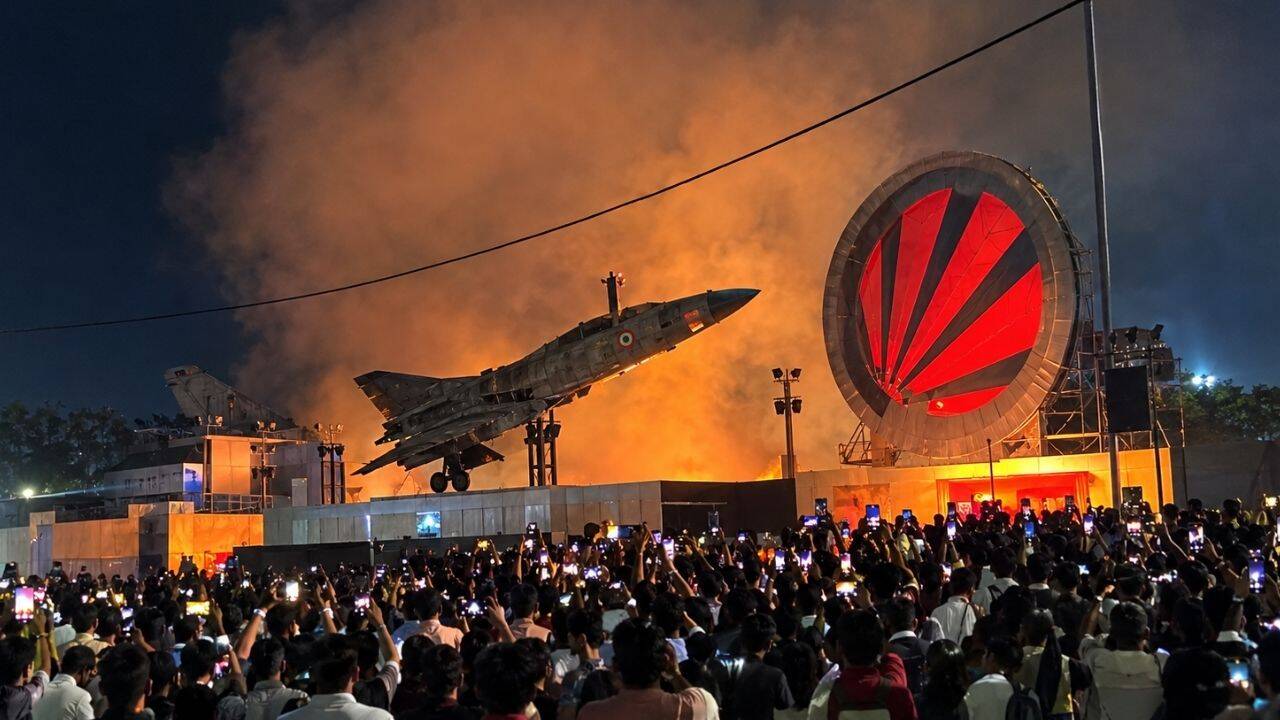
Demonstrations erupted across academic blocks following disputed reports of a student tragedy and unaddressed campus safety grievances, prompting heavy police deployment and clashes. Student groups mobilized against university management, citing opaque disciplinary procedures, inadequate hostel infrastructure, and a persistent disconnect between administrators and the student body. The ensuing confrontations resulted in significant property damage and brought academic operations to a complete standstill. This crisis reflects long-standing institutional friction between corporate-style university management models and the legitimate welfare demands of a massive residential student population. Administrators frequently prioritize institutional public relations and strict perimeter control over transparent grievance redressal, fostering an environment of deep mistrust. When critical incidents occur, the absence of immediate, credible communication channels allows rumors to escalate into uncontrollable civil unrest. Immediate casualties include the academic calendar, campus reputation, and the physical security of both students and university staff. Management will be forced to institute external inquiries, leading to administrative restructuring and stricter regulatory oversight from state education authorities. The long-term institutional outcome involves a fundamental reevaluation of campus security protocols and student grievance mechanisms across higher education institutions in the region.
Comments 0