Institutional Ethics and Social Sensitivity Emphasized at Agricultural University in Bihar
The Vice-Chancellor of Dr. Rajendra Prasad Central Agricultural University stressed the necessity of coupling scientific research with profound social sensitivity during academic addresses. The directive aims to reorient institutional research agendas toward addressing the practical struggles of agrarian communities.
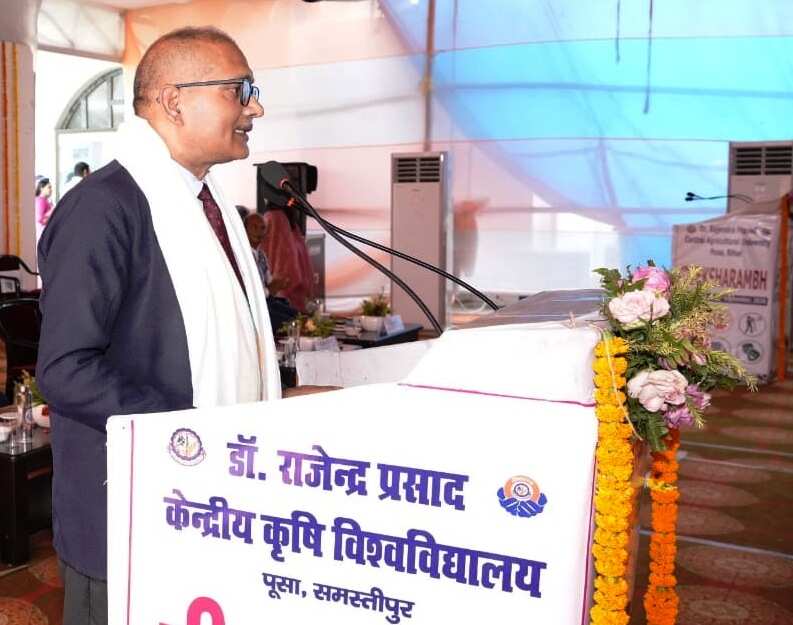
Addressing graduating scholars and faculty members in Bihar, university leadership underscored that technical excellence without ethical grounding remains socially deficient. The call for scientific sensitivity serves as a critique of ivory-tower academic pursuits that remain disconnected from the realities of rural poverty and agricultural distress. Scholars were urged to direct their research innovations toward solving immediate challenges faced by marginalized farming households. The underlying tension involves the historical disconnect between elite agricultural research institutions and the practical ground-level hurdles experienced by smallholder farmers. Bureaucratic funding models frequently reward abstract laboratory metrics over field-tested innovations that directly impact crop yields and rural livelihoods. This institutional orientation creates a cultural barrier where scientists struggle to communicate findings effectively to illiterate or resource-constrained farmers. Downstream consequences of this academic reorientation include potential curriculum overhauls that mandate mandatory rural fieldwork for agricultural science graduates. The tangible outcome will be measured by whether research output successfully transitions from academic journals to practical deployment in regional farming districts. Institutions that fail to bridge this gap risk losing public trust and state funding support.
Comments 0