Institutional Fault Lines Open Inside the Tata Trusts Over Litigation Expenses
Trustee Mehli Mistry has formally objected to utilizing organizational funds for contested legal proceedings. This internal resistance threatens to disrupt governance structures within one of the nation's premier philanthropic entities.
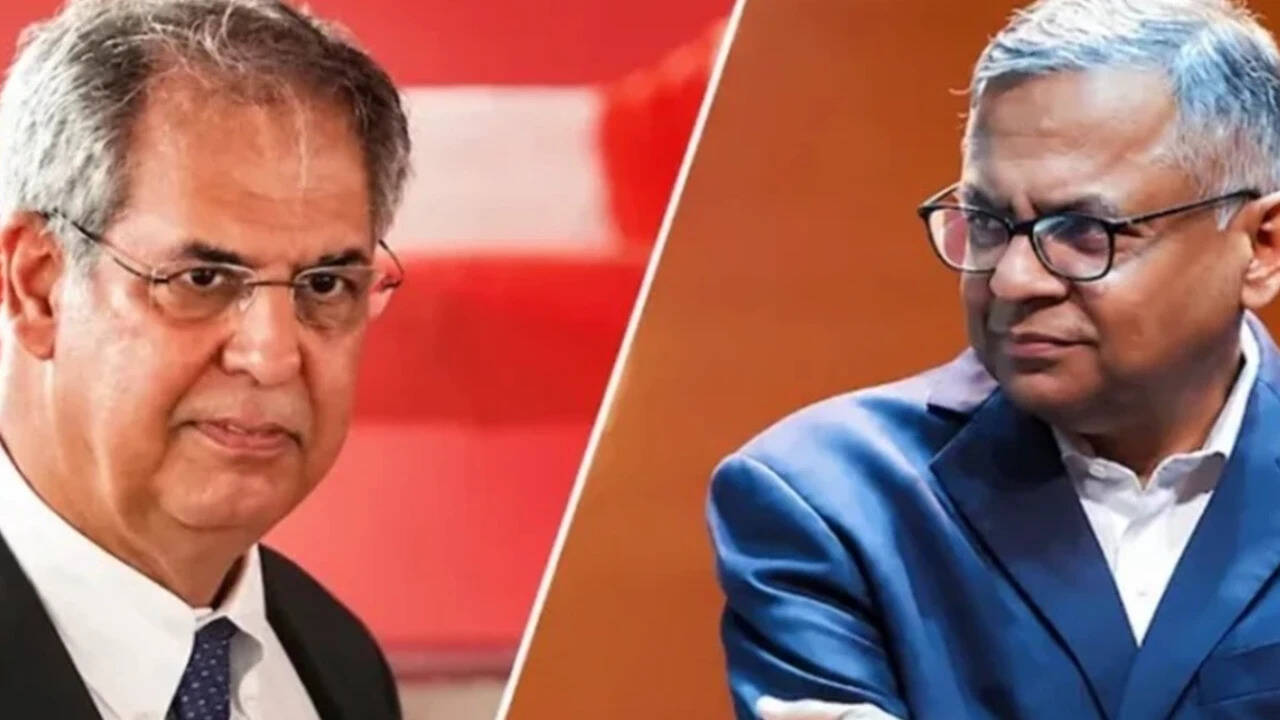
The quiet corridors of corporate philanthropy experienced a severe fracture when long-standing governance norms were challenged over financial allocations for upcoming court battles. Mehli Mistry, a prominent trustee, registered a sharp objection against drawing upon organizational reserves to fund legal fees arising from freshly minted disputes. This formal resistance targets the very mechanics of how institutional authority is exercised and defended within the upper echelons of the conglomerate. Beneath this fiscal disagreement lies a deeper ideological friction regarding accountability and the stewardship of vast public assets. The decision to scrutinize legal outlays signals a broader shift away from uncritical rubber-stamping toward rigorous internal auditing of executive decisions. Legal titans Abhishek Manu Singhvi and Harish Salve find themselves arrayed on opposing sides of the wider corporate dispute, transforming these boardroom disagreements into public spectacles of legal prowess and financial expenditure. The immediate casualty of this internal confrontation is the erosion of traditional consensus-building among the trustees, leaving the organization vulnerable to protracted public friction. As the legal battles harden, the insistence on withholding funds for manufactured disputes creates an administrative precedent that could permanently alter how corporate boards authorize litigation expenses. Future governance models across the country will likely incorporate these stricter accountability mechanisms to prevent similar internal fractures.
Comments 0