Institutional Friction and Political Fracture in West Bengal's Regional Hegemony
Senior political figures in West Bengal have publicly attributed the ruling Trinamool Congress party's ongoing internal crises to institutional arrogance and political overreach. This deepening rhetoric signals a severe erosion of regional consensus as opposition forces smell vulnerability.
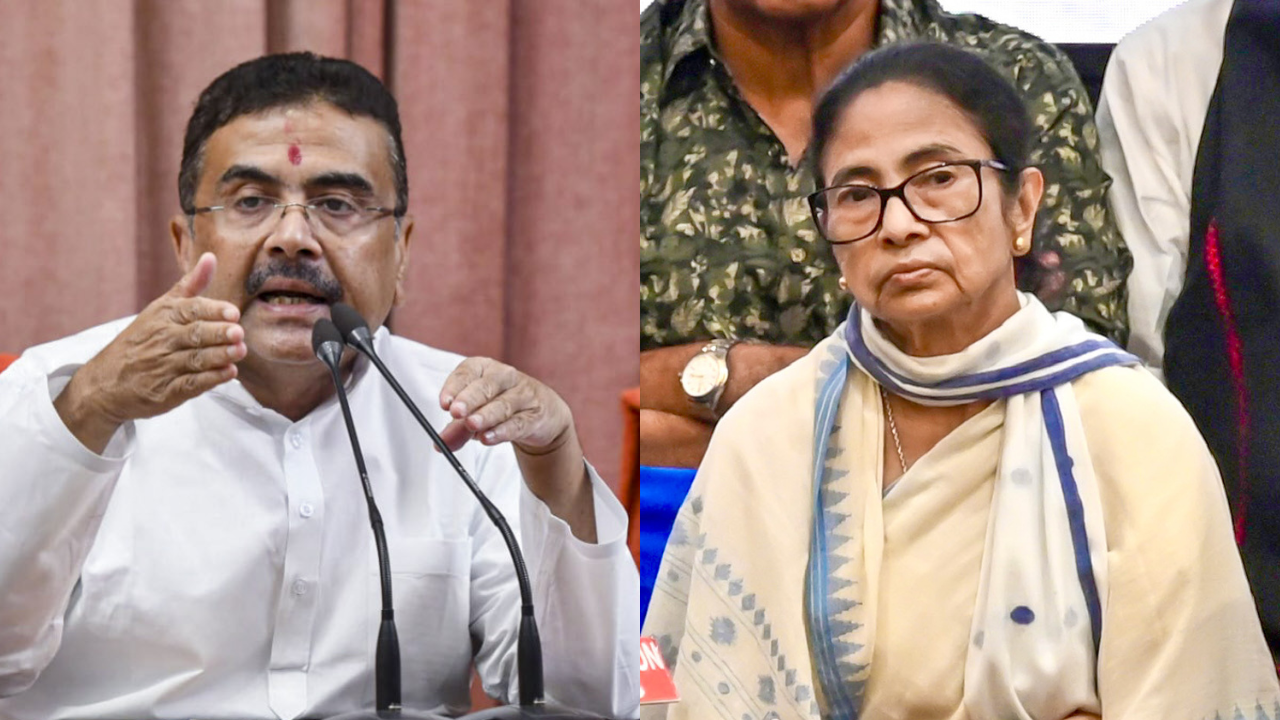
State politics in West Bengal operate under conditions of intense polarization, where administrative power and political survival are fiercely contested. Allegations of arrogance leveled against the governing dispensation resonate with a public growing weary of localized extortion, syndicate politics, and administrative high-handedness. Opposition leaders are systematically exploiting these fault lines, framing current institutional scandals as moral failures of the ruling establishment. The friction between state authorities and central investigative agencies has created a constitutional stalemate, paralyzing several development initiatives and exacerbating administrative distrust. The ruling party's attempts to consolidate authority through cadre networks face mounting pushback from civil society and emboldened opposition cadres. This dynamic transforms every local governance failure into a statewide referendum on regime legitimacy. The downstream casualty of this political warfare is the systematic degradation of administrative neutrality, with civil servants caught between political directives and legal accountability. Voters are witnessing an increasingly aggressive political where substantive policy debate is subordinated to moral posturing and electoral posturing. The political realignment currently underway will redefine the electoral arithmetic ahead of upcoming state contests.
Comments 0