Institutional Rifts Deepen Following Tragic Electrocution Incident in Mumbai
Urban infrastructure failures in Mumbai claimed two lives near a crowded Ganesh mandal as emergency medical vehicles struggled against congested thoroughfares. This preventable disaster exposes severe regulatory blind spots in civic crowd management and public utility maintenance.
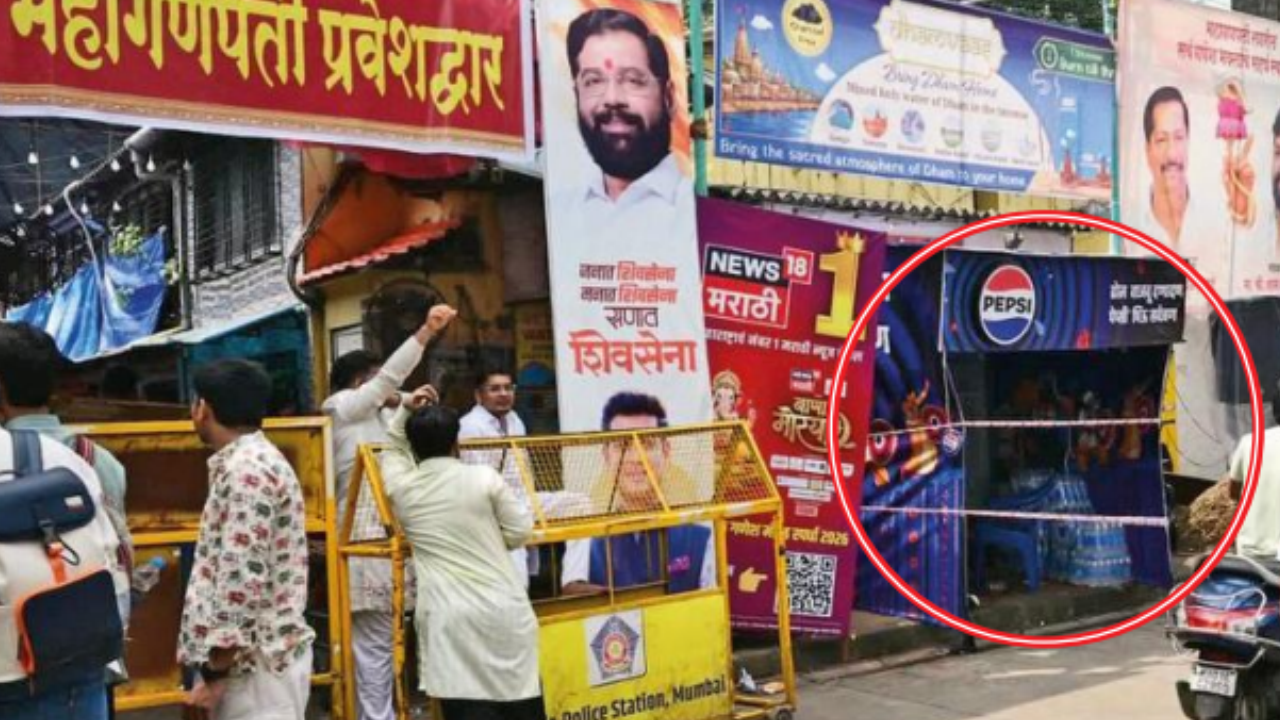
The sudden tragedy unfolded near a bustling festival procession when exposed live electrical wires met the dense monsoon humidity, instantly electrocuting two unsuspecting pedestrians. The immediate shockwave paralyzed local celebrations, transforming a site of communal devotion into an immediate zone of grief and public anger. Witnesses reported immediate chaos as citizens attempted to rescue the victims while simultaneously trying to alert municipal authorities to secure the live electrical hazards. Beneath the immediate shock lies a systemic failure of civic planning and emergency response infrastructure. As rescue units dispatched toward the scene became hopelessly gridlocked in narrow, congested roads overflowing with festive crowds, the structural inability of municipal bodies to enforce basic safety corridors became painfully evident. Local administrative bodies and electricity distribution companies immediately entered a defensive posture, deflecting accountability regarding the maintenance schedules of aging utility poles and uninsulated wiring running through densely populated commercial zones. The downstream casualties extend far beyond the immediate families of the deceased, casting a long shadow over the upcoming municipal governance cycles and the administration of public safety during major religious festivals. Citizens and civic activists are demanding sweeping structural audits of urban electrical grids and mandatory emergency response lanes for all high-density public gatherings. Failure to overhaul these protocols risks institutionalizing a dangerous precedent where public safety is perpetually subordinated to administrative negligence and bureaucratic inertia.
Comments 0