Intelligence Official Appointed as White House Technology Director
The White House has elevated a senior intelligence official to direct national technology and economic policy. This reorganization signals a profound shift toward securitizing domestic digital infrastructure.
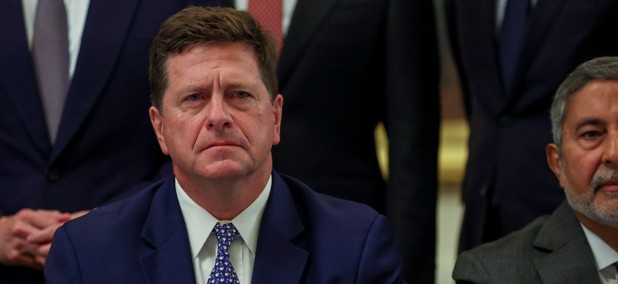
The appointment of a prominent intelligence figure to command national technology policy marks a decisive turning point in how governments view the digital ecosystem. Rather than treating artificial intelligence and software architecture through a lens of commercial expansion, the administration has placed national security apparatuses directly at the helm of algorithmic governance. This structural realignment brings intelligence-community methodologies into civilian regulatory spaces, permanently altering the relationship between state surveillance mandates and private sector innovation. For months, Silicon Valley executives and economic policy groups have lobbied for a separation of market regulation from national defense priorities. However, the consolidation of technology oversight within national security ranks reflects an institutional anxiety regarding foreign adversaries and the weaponization of automated systems. Industry leaders now face an environment where compliance demands intersect directly with intelligence vetting, transforming software development into an extension of statecraft. The immediate casualty of this appointment is the traditional autonomy enjoyed by private technology firms. Companies building frontier models must now operate under the direct gaze of intelligence strategists, redefining intellectual property rights and international data-sharing agreements. Over the coming quarters, this merger of security and technology will likely precipitate tighter export controls and aggressive domestic audits, altering the global balance of technological power.
Comments 0