IPL's Strategic Pivot: The Debate Over the Impact Player Rule
Dinesh Karthik has voiced strong opposition to scrapping the Impact Player rule before the 2027 IPL season, arguing that it ensures fairness across teams. The debate highlights the tension between traditional cricket formats and the need for innovation in a commercially driven league.
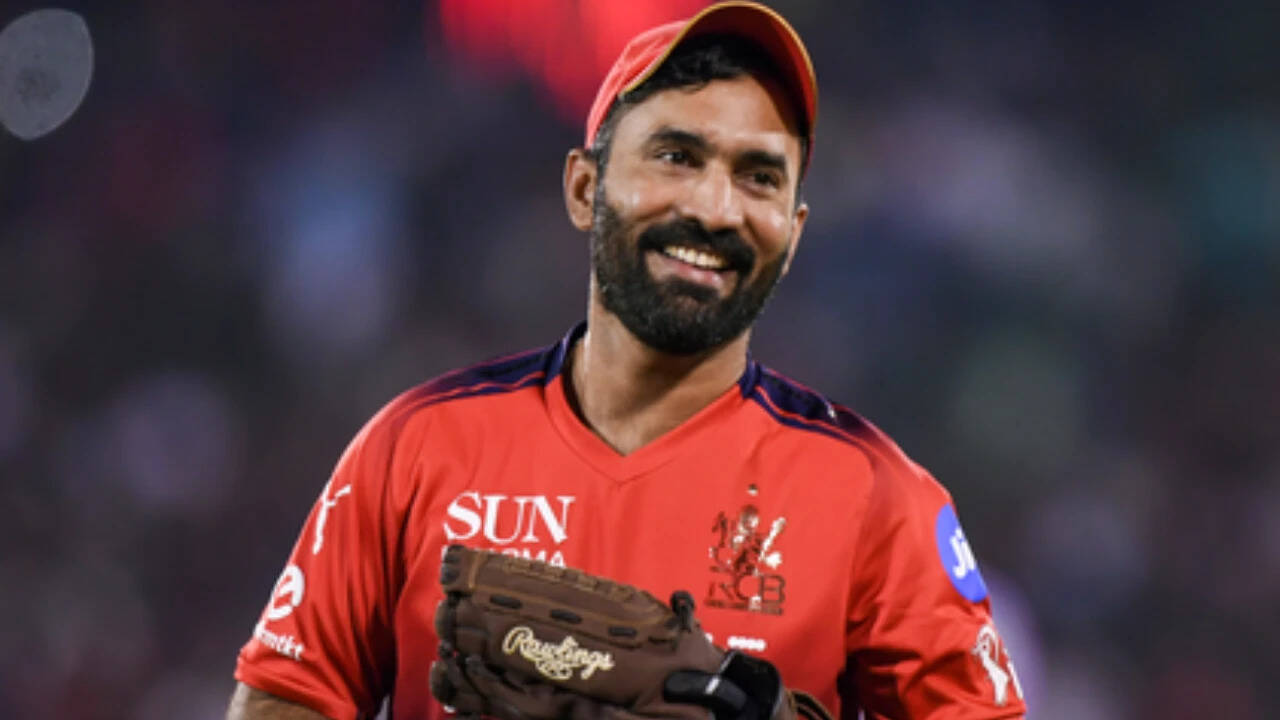
The concrete rupture in the IPL's strategic planning is the public debate over the retention of the Impact Player rule, with Dinesh Karthik arguing for its continuation. The immediate shockwave is a signal that the cricketing establishment is divided on the future of the league's format, with some advocating for innovation and others for tradition. The tangible outcome is a potential change in the rules, which could affect team strategies and player selection. This debate also reflects the broader tension between the BCCI's desire to maintain the integrity of the game and the IPL's need to remain commercially viable and exciting for fans.
The underlying tension reflects the evolving nature of cricket in the digital age, where attention spans are shorter and fans demand more action and variety. The Impact Player rule was introduced to add a new dimension to the game, allowing teams to make more strategic substitutions. This friction is compounded by the commercial interests of the IPL, which relies on high-scoring, fast-paced cricket to attract viewers and sponsors. The institutional friction is also evident in the relationship between the BCCI and the IPL, which operates under the BCCI's umbrella but has its own commercial imperatives. The debate over the Impact Player rule is a microcosm of the larger challenge of balancing tradition and innovation in a globally popular sport.
The downstream casualties of this debate include the players, who may have to adapt to new rules and strategies, and the fans, who may be confused by the changes. The tangible outcome is a potential shift in the balance of power between teams, as the Impact Player rule can give an advantage to teams with deeper benches. The long-term consequence is a more dynamic and unpredictable IPL, which may attract a wider audience but also face criticism from purists. This shift could lead to a reevaluation of other rules and formats, as the league continues to evolve in response to changing fan preferences and commercial demands.
Comments 0