Israel's Political Stalemate: Exit Polls Reveal a Fragmented Mandate
Exit polls from the recent Israeli general election indicate that neither Prime Minister Benjamin Netanyahu nor his opposition rivals have secured a clear path to a governing majority. The result signals a period of intense coalition maneuvering that will likely delay policy decisions on security and economic reform.
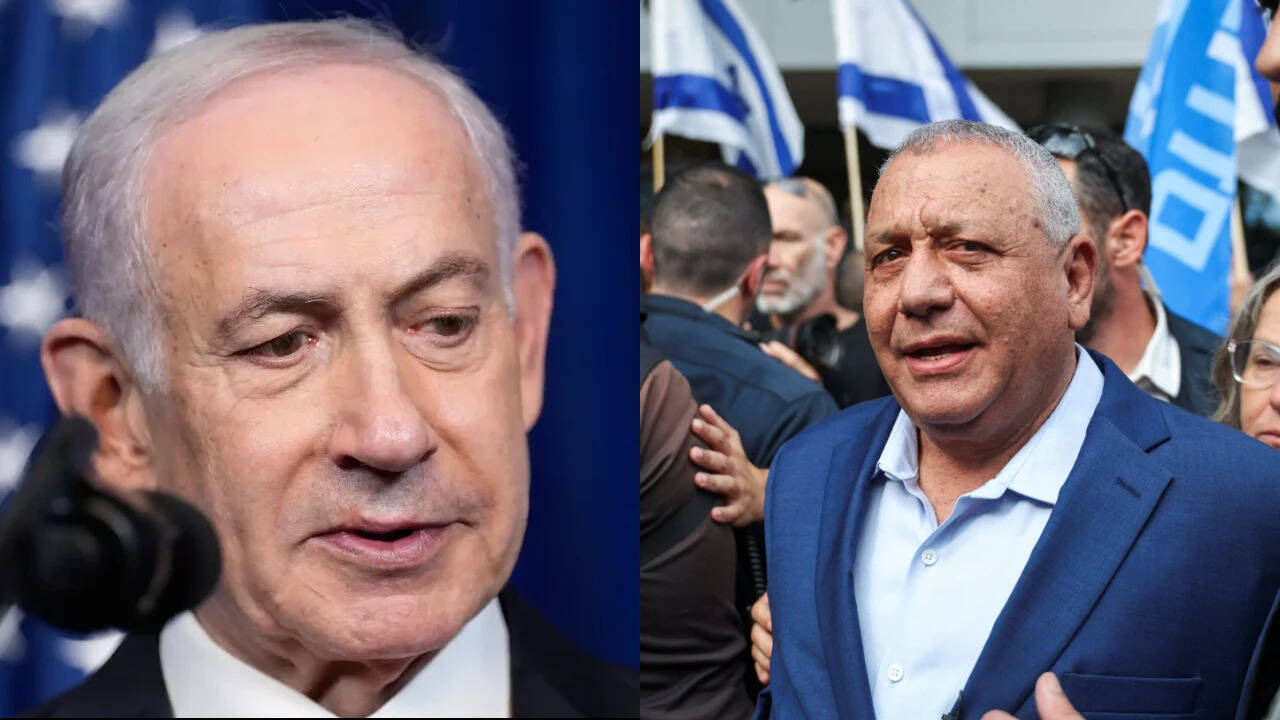
The immediate shock of the Israeli election results lies in the absence of a decisive winner. Exit polls suggest a fractured parliament where no single bloc commands the sixty-seven seats necessary for a stable government. This outcome leaves the nation in a state of political limbo, with both the Likud-led bloc and the opposition coalition falling short of the threshold required to form a government without significant concessions to smaller parties. The uncertainty has already begun to ripple through financial markets, as investors brace for potential delays in budget approvals and strategic defense commitments.
The underlying tension stems from a deeply polarized electorate that has rejected a binary choice between the incumbent and the main opposition. This fragmentation reflects broader societal divisions over judicial reform, security in Gaza, and economic inequality. Institutional friction is now expected to intensify as party leaders engage in high-stakes negotiations, potentially leading to a second round of elections if a coalition cannot be formed within the statutory deadline. The lack of a clear mandate weakens the hand of any prime minister, forcing a reliance on fragile alliances that may crumble under the weight of legislative pressure.
The downstream consequences of this stalemate are tangible for both domestic stability and regional security. A weakened government may struggle to maintain consistent foreign policy stances, particularly regarding relations with neighboring states and international partners. Domestically, the prolonged uncertainty could exacerbate social unrest and economic anxiety, as citizens face a vacuum in decisive leadership. The political gridlock may also delay critical infrastructure projects and security upgrades, leaving the state vulnerable to external threats and internal dissent during a fragile transitional period.
Comments 0