Jaishankar Seeks to Restore Black Sea Grain Corridors Amidst European and Russian Tensions
External Affairs Minister S. Jaishankar is actively engaging Russia, Ukraine, and European nations to secure the safety of civilian shipping and revive grain exports through the Black Sea. This diplomatic maneuvering aims to stabilize global food supply chains that have been severely disrupted by the ongoing conflict.
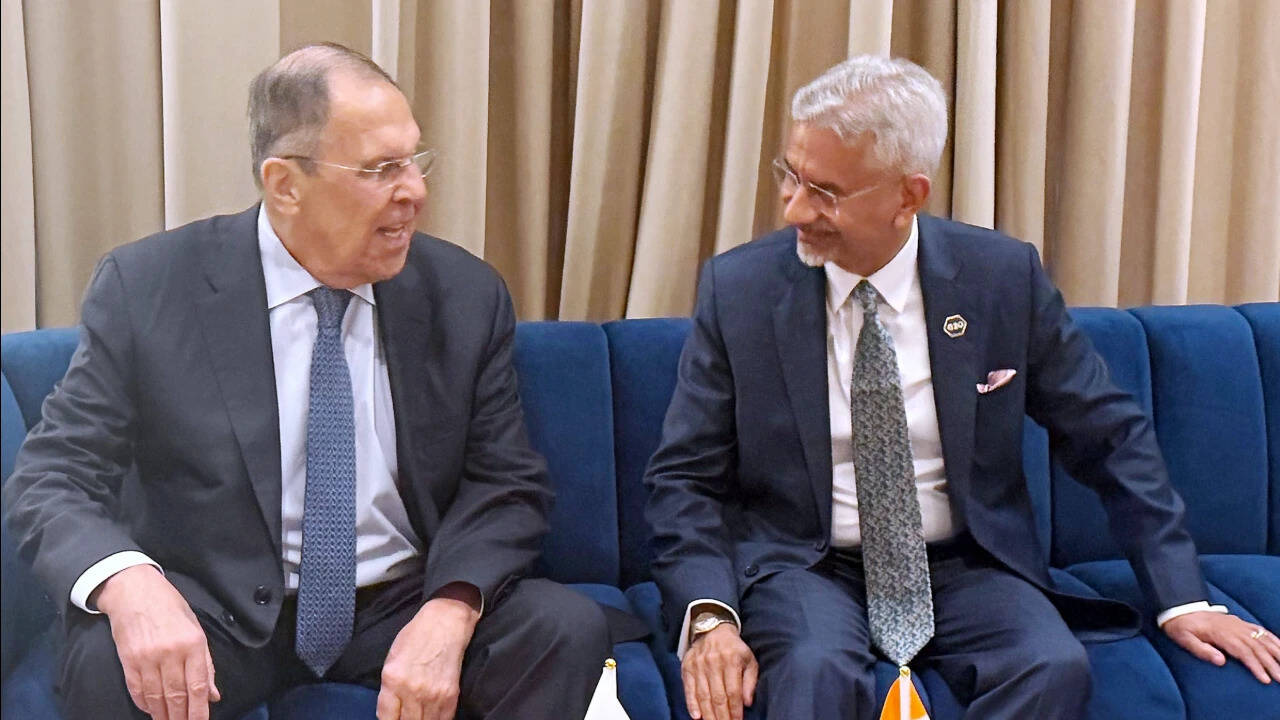
India's diplomatic corps is engaged in a delicate balancing act as it attempts to facilitate a truce on the Black Sea grain corridor. Minister Jaishankar's discussions with representatives from Russia, Ukraine, and Europe focus on the protection of civilian vessels, a critical issue given the significant decline in grain exports from the region. This initiative reflects India's strategic interest in maintaining stable food prices and ensuring the flow of essential commodities to its own markets and to other developing nations dependent on Black Sea agriculture.
The institutional friction here lies in the conflicting security interests of the major powers involved. Russia views the grain deal as a tool for economic leverage, while Ukraine and its European allies see it as a humanitarian necessity that must not be compromised by military escalation. India's position as a neutral mediator is tested by the need to maintain good relations with Moscow while simultaneously supporting the international community's concern for global food security. The complexity of these negotiations is heightened by the broader geopolitical competition for influence in the post-Soviet space.
The tangible outcome of these efforts will be determined by whether a sustainable framework for safe passage can be established. If successful, the restoration of grain exports will alleviate pressure on global food prices and reduce the risk of food insecurity in vulnerable regions. However, if the diplomatic efforts fail, the continued disruption of the corridor will exacerbate economic instability, potentially leading to further social unrest in countries that rely heavily on imported grain from the Black Sea region.
Comments 0